

SELF-ADHESIVE FILMS · ELECTRICAL FUNCTIONS
Electrical films for insulation, shielding and ESD
Electrical films serve different purposes depending on the product: insulation, conduction, shielding or control of electrostatic charging. Choose by documented construction, component and processing needs.
01
Subcategories
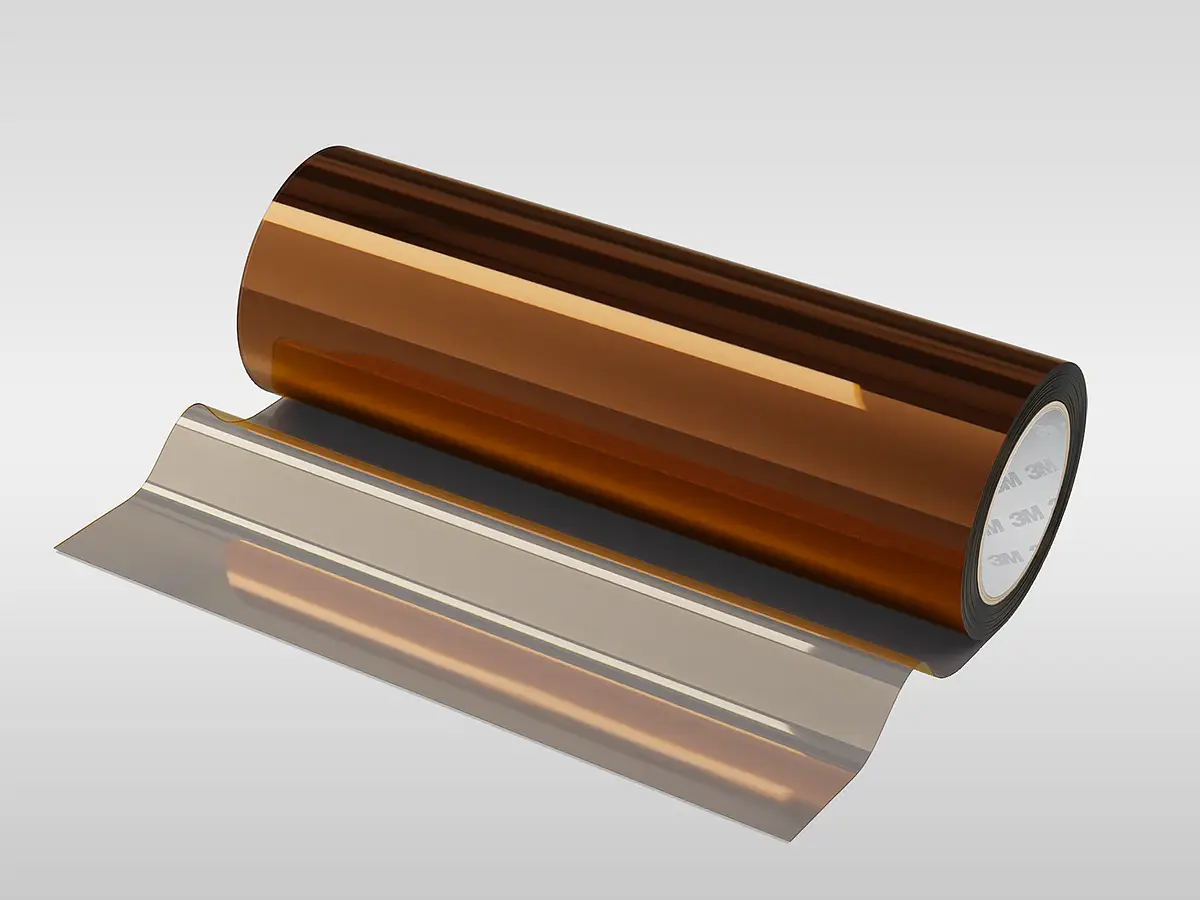
Insulating film
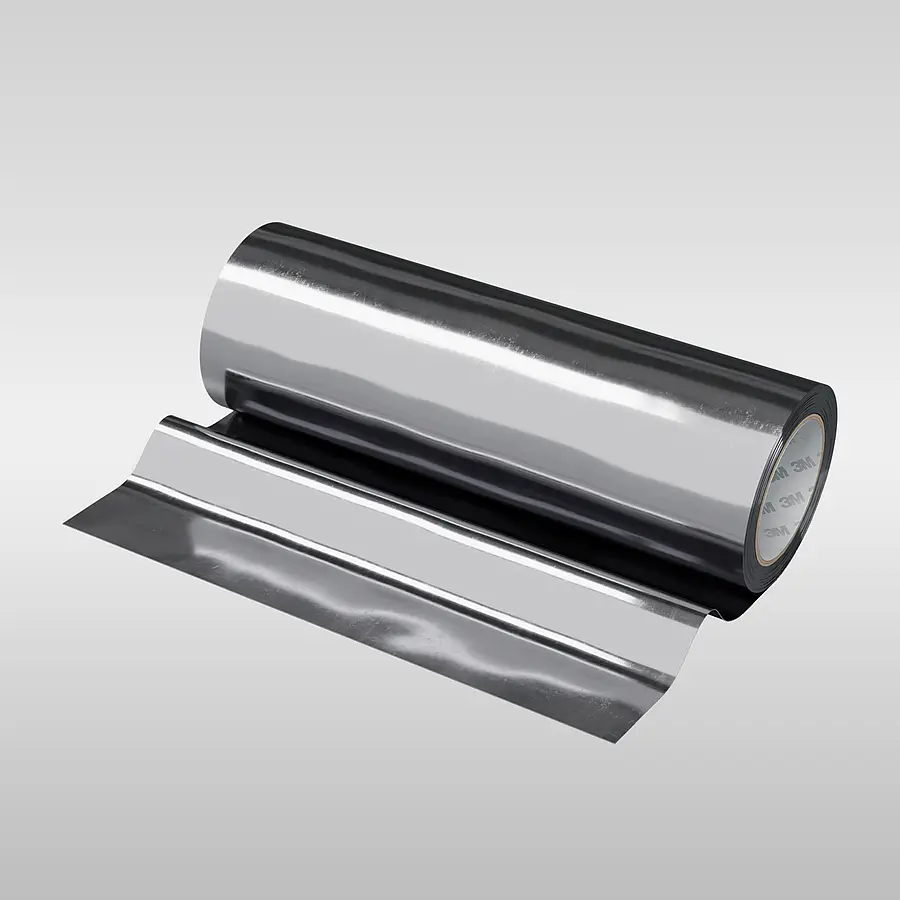
Self-adhesive shielding foil
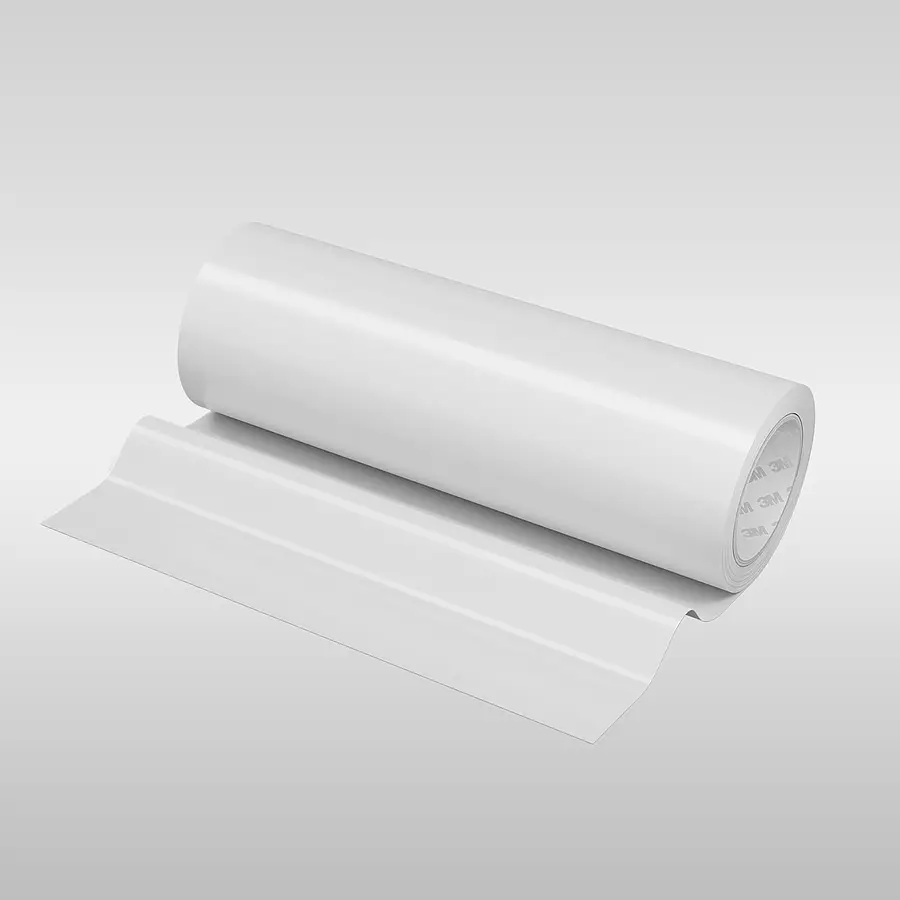
Antistatic film
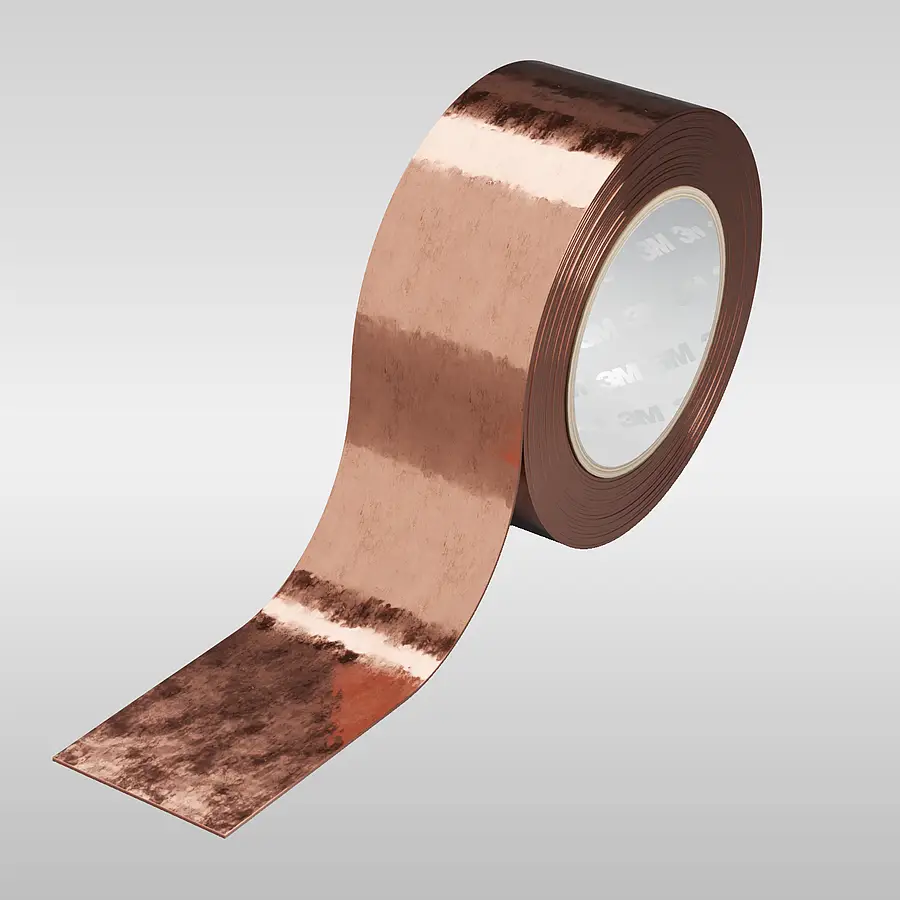
EMI shielding
ESD film
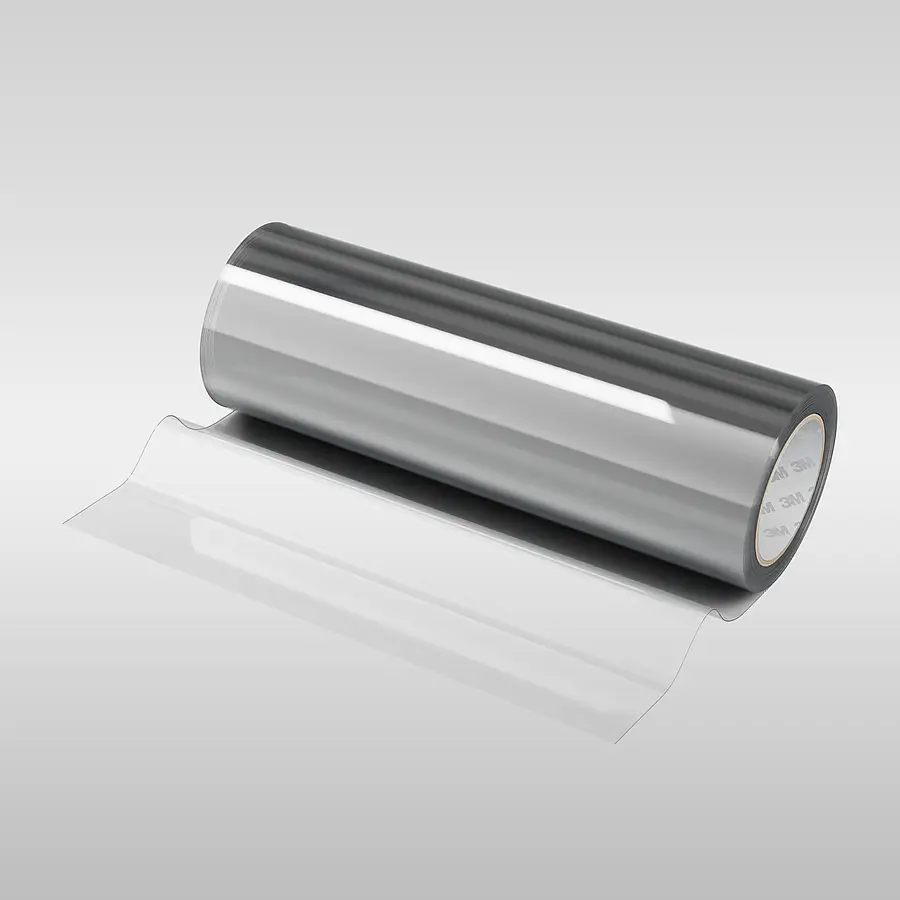
Battery film
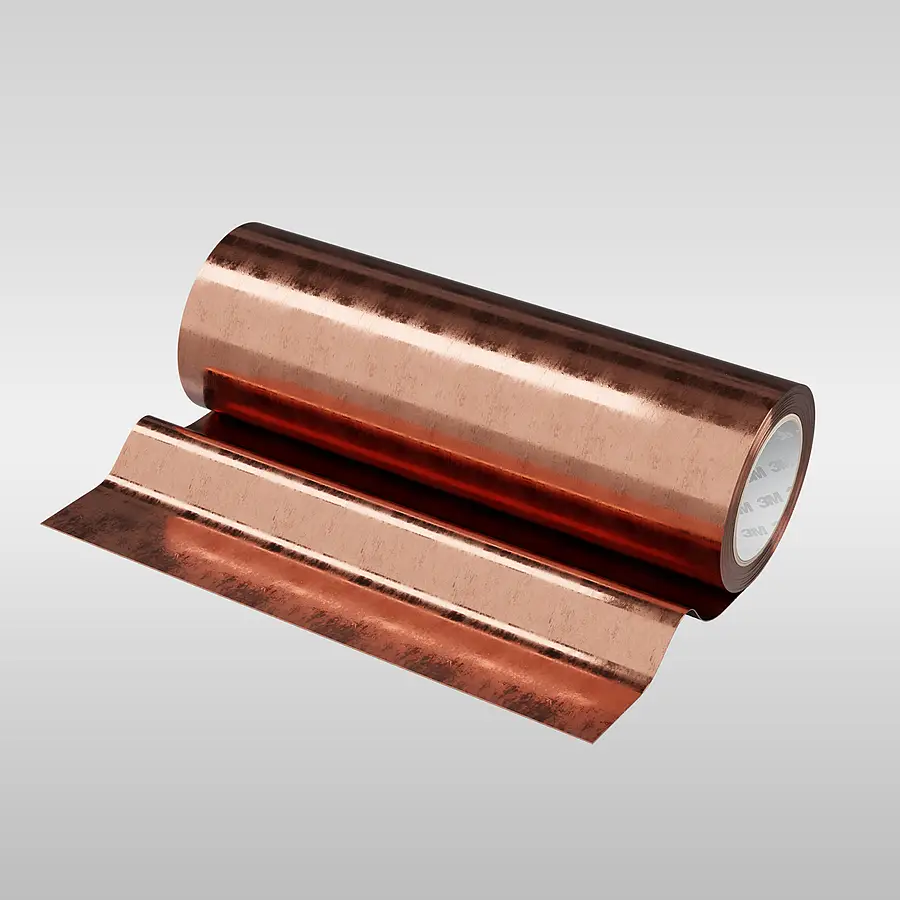
Self-adhesive electrically conductive foil
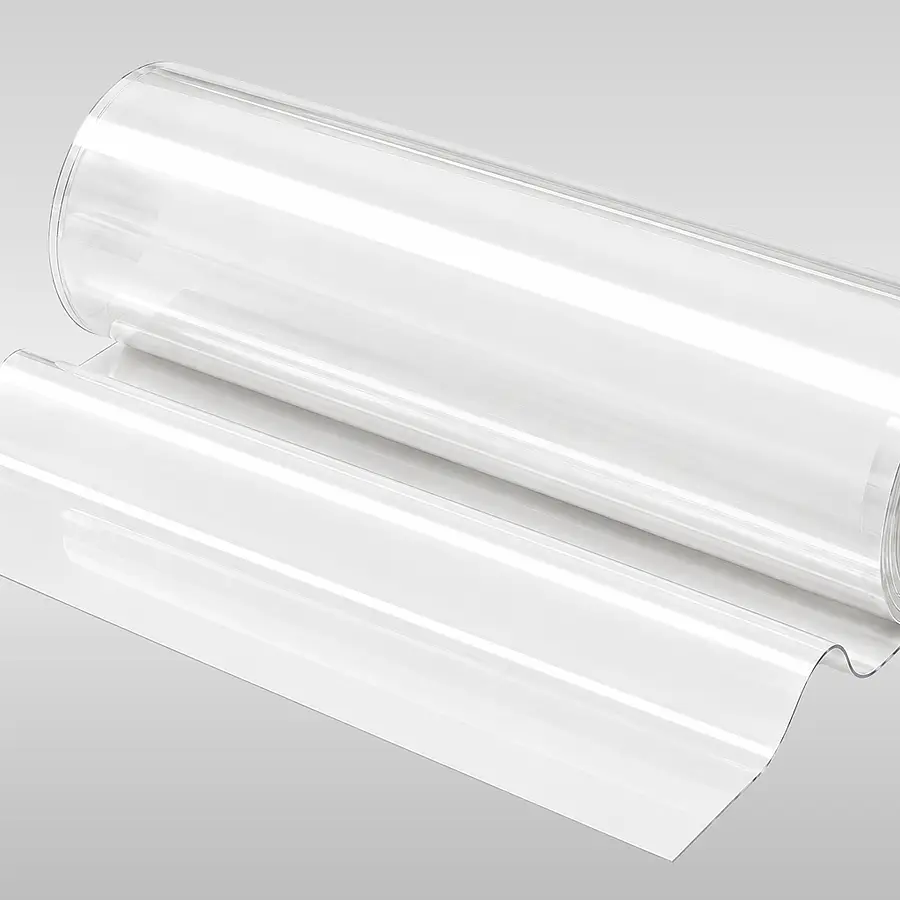
Self-adhesive electrical insulation film
Self-adhesive electrostatic film
02
Selection criteria
What electrical task must the film perform?
First determine whether your component needs electrical insulation, a conductive contact, electromagnetic shielding or control of static charging. For shielding and grounding, the carrier, adhesive and contact arrangement may all matter; for insulation, rely on documented values for the particular construction. Substrate, geometry and processing also guide the choice.
Explore insulating films or electrical insulation films, conductive films, shielding films or EMC shielding. Antistatic films, ESD films and electrostatic films address different tasks; battery films need a separate assessment for the component.
03
ELECTRICAL FILMS IN THE RANGE
Electrical films and electrical tapes in the range
The listing includes films and electrical tapes assigned to this page. Check the electrical function and construction in the data for each product.
No products found
No products are currently listed in this category. Request a call back and we will help you find the right product.
Request a callback04
ELECTRICAL FILM SELECTION GUIDE
From component requirements to the right film
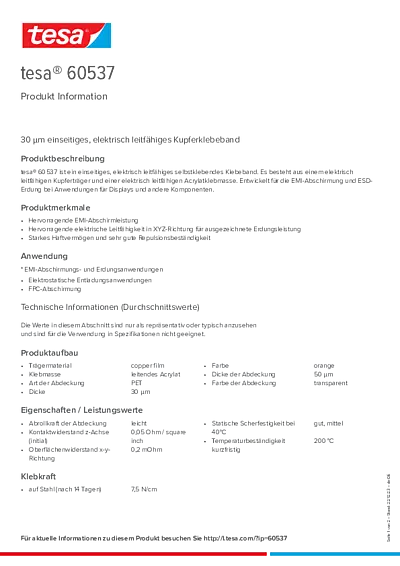
For a conductive connection, the term “copper film” is insufficient on its own: tesa® 60537 explicitly specifies a copper carrier and conductive acrylic adhesive for shielding and grounding. By contrast, an antistatic film such as 3M ET 40PR focuses on charging during handling. For insulation, EMC and ESD, assess the respective product data, contact with the component and installation conditions separately. Tell us the required function, substrate, shape and processing plan; we can then align the starting material and possible converting.
05
PRODUCT INFORMATION ON SHIELDING
06
QUESTIONS ABOUT ELECTRICAL FILMS
What is the difference between insulating and conductive electrical films?
Insulating and conductive electrical films perform different tasks. For insulation, the electrical properties of the specific film construction matter. For a conductive connection, the carrier, adhesive, contact surfaces and current path must work together. A copper carrier alone does not make a connection through every adhesive layer conductive. tesa® 60537 combines a conductive copper carrier with a conductive acrylic adhesive for shielding and grounding. Other films may have a different construction; check their electrical properties for your assembly.
When is an electrical film suitable for EMI shielding?
For EMI shielding, the film needs suitable electrical properties, and installation must provide the required electrical contact. tesa® 60537 has a conductive copper carrier and a conductive acrylic adhesive and is intended for shielding and grounding at displays and other components. How well the finished assembly shields also depends on the material, contact surfaces, geometry and installation position. Other films may have different electrical properties. Tell us what your assembly requires so that we can assess a suitable version.
Are antistatic films and ESD films the same?
No. These terms do not automatically describe the same protective function. An antistatic version may, for example, affect charging when it is removed; that does not make a complete package or assembly an ESD protection system. 3M ET 40PR is an antistatic polyester film tape. For an ESD requirement, assess the electrical properties of the actual material, its processing and the intended discharge path. Describe the handling step and the component to be protected rather than asking only for a general electrical film.
How should an electrical film be selected for processing?
Start with the function at the component and the construction of the specific product. Then consider the substrate, electrical contact, geometry, application method and supplied form. Krückemeyer GmbH can convert suitable starting materials into dimensions and shapes adapted to the application; processing does not create electrical material properties. To assess conversion, we need the required shape, intended use and requirements for the finished part. This lets us evaluate the product and processing together without applying one material's performance data to every version.
07
Request advice
Describe the electrical function, substrate and required geometry. We will assess with you which documented product property and which conversion method suit your application.
Choose an electrical film for your assembly
Send us your requirements for function, processing and supplied form. We will assess suitable materials and possible converting.

ADVICE ON ELECTRICAL FILMS
Thomas Klein
Contact for products
Thomas Klein can help you choose a suitable film and discuss its conversion.