

METAL FOILS · SELECTION AND CONVERTING
Self-Adhesive Metal Foil: Choosing Aluminium and Copper
Self-adhesive metal foils combine a metal backing with an adhesive layer. Selection depends on the specific construction, the substrate and the required function; a metallised plastic film has a different construction.
01
Foils and films
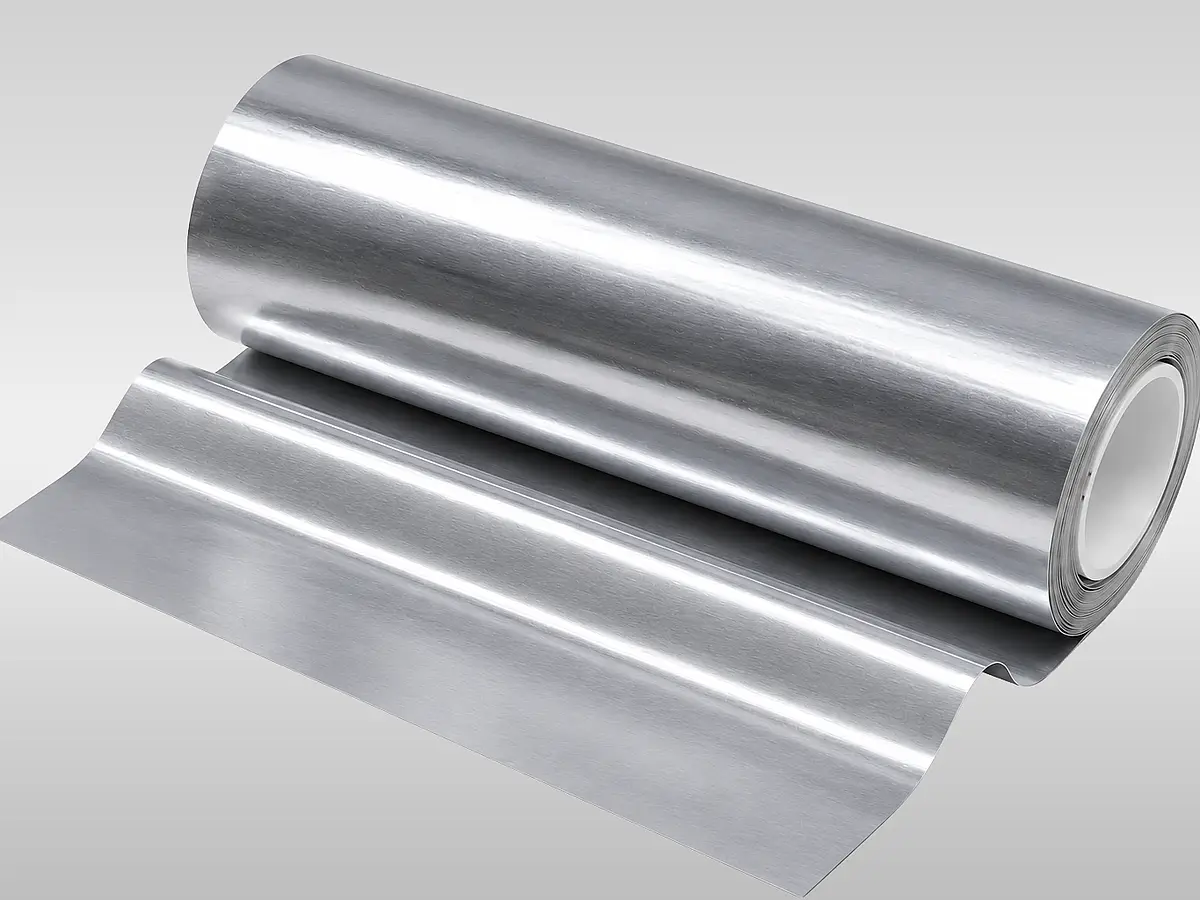
Self-Adhesive Aluminium Foil
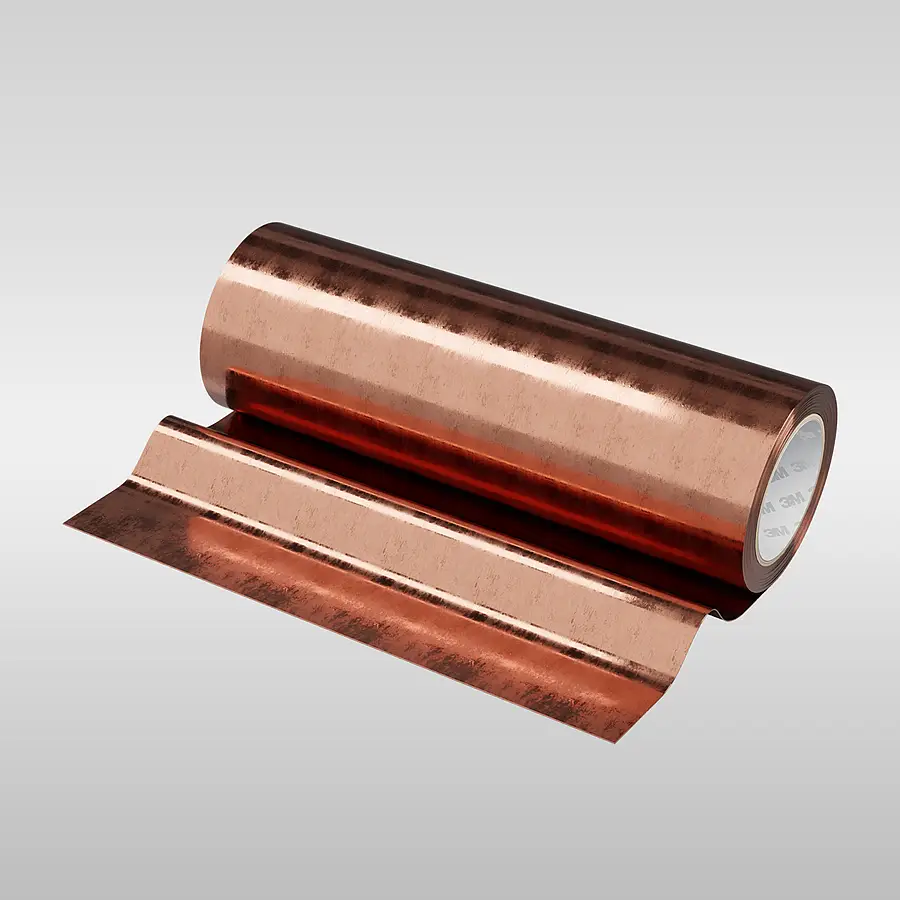
Self-Adhesive Copper Foil
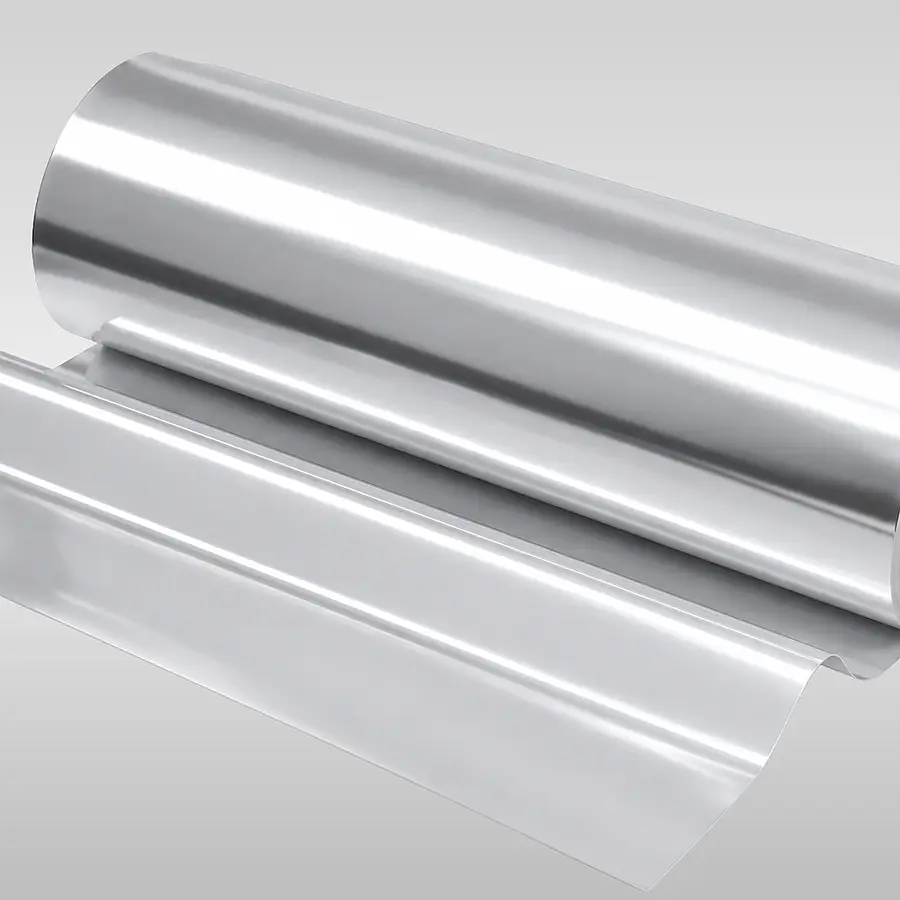
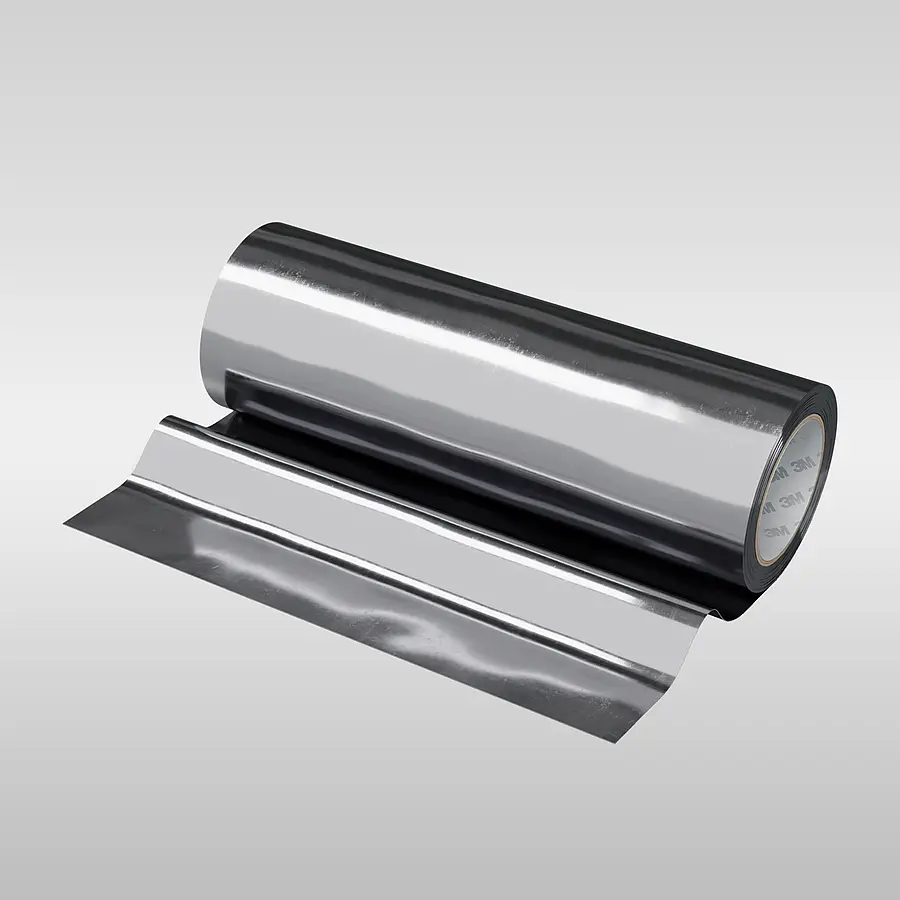
Metallised Film
02
Selection criteria
Assess the metal backing and adhesive separately
Start with the required function: do you need a metallic surface, electrical contact or shielding? Aluminium and copper foils are represented in the range, but their construction varies by product. A conductive metal foil does not automatically mean that its adhesive is conductive. Check the substrate, part geometry and intended processing before choosing a version.
03
METAL FOILS IN THE RANGE
Self-adhesive metal foils in the range
The product listing for the metal category shows items with different metal backings and adhesives. Technical suitability follows from each product's own data.
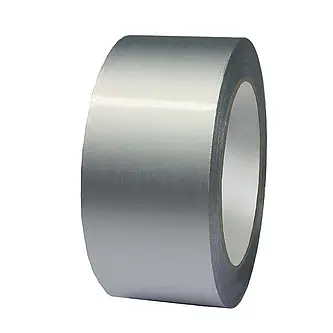

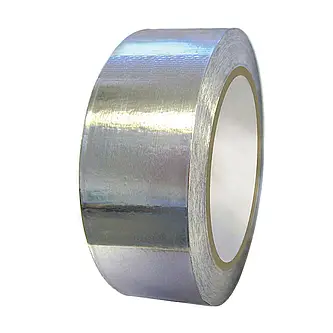
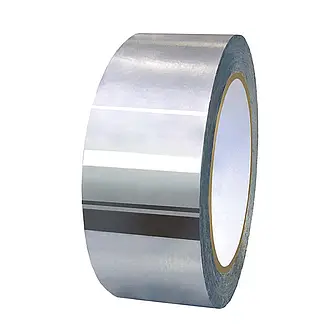
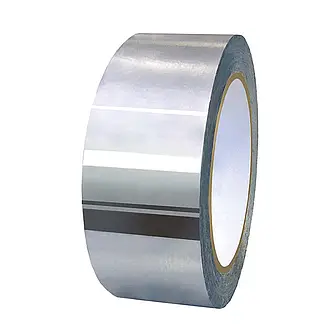
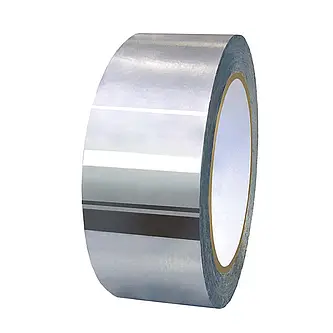
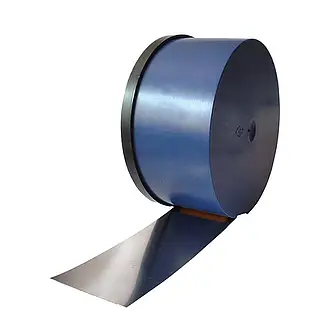
No products match this combination.
No products match all of the selected filter criteria.
04
METAL FOIL SELECTION GUIDE
Which metal foil suits your application?
For self-adhesive metal foil, assess the backing material, adhesive and contact with the part separately. The documented range includes aluminium foils for marking tasks and copper foils for electrical shielding. With copper, a conductive adhesive can provide electrical contact; other adhesive constructions must not be treated as equivalent. Actual shielding also depends on the surface, contact and installation.
Here, metallised film means a plastic backing with a metal coating; it is not automatically the same material class as a metal foil. If you need a specific roll width or die-cut parts, provide the substrate, required function, part geometry and processing step. Krückemeyer GmbH can assess suitable materials and application-specific converting.
For more detailed selection, see self-adhesive aluminium foil, self-adhesive copper foil and metallised film.
05
QUESTIONS ABOUT METAL FOILS
When is a self-adhesive copper foil electrically conductive?
For electrical contact, the particular product construction, including its adhesive layer, must be suitable. A copper backing alone does not necessarily make the adhesive layer conductive. For example, a copper foil tape for electromagnetic shielding uses an electrically conductive acrylic adhesive. Check the product data, contact surface and intended current path. The function of the finished connection also depends on how the foil rests on the part and how it is applied.
How do metal foil and metallised film differ?
Metal foil has a metal backing; metallised film has a different backing coated with a metal layer. A metallised PP film with acrylic adhesive, for example, is used for surface and transport protection. A metallic appearance alone does not establish the same electrical function or the same processing behaviour as copper or aluminium foil. Select by backing material, layer construction and the protective or contact task. Use the data sheet of the particular item to check whether it suits the intended application.
What determines the shielding performance of a metal foil?
Shielding performance depends on the particular product and how it is installed. The data sheet for a copper foil shielding tape identifies factors including the type of foil, type of adhesive, contact with the surface and frequency of the interference signal. A value for that product cannot simply be applied to other metal foils or a finished assembly. Establish which areas must be connected, how overlaps will be formed and which surface provides contact. The suitable foil can then be assessed.
What information helps when requesting cut metal foil?
Describe the part, substrate, required function and subsequent processing. Converting also calls for the shape, required width or contour and intended delivery format. For an electrical task, specify the contact requirement; for marking, the surface and printing or embossing requirements matter. Krückemeyer GmbH can cut suitable starting material to application-specific dimensions or process it into die-cut parts. Whether the selected foil achieves the required function must be assessed for the particular product and application.
06
Request advice
Describe the substrate, required function and part geometry. We will assess the product construction, electrical requirements and suitable converting for your enquiry.
Choose metal foil for your part
Send us your application conditions and required shape. We will discuss the metal backing, adhesive and possible converting with you.

METAL FOIL ADVICE
Thomas Klein
Contact for products
Thomas Klein will discuss the backing material, adhesive layer and intended application with you.