

ANTISTATIC POLYESTER FILM TAPES
Self-adhesive electrostatic film: antistatic tapes
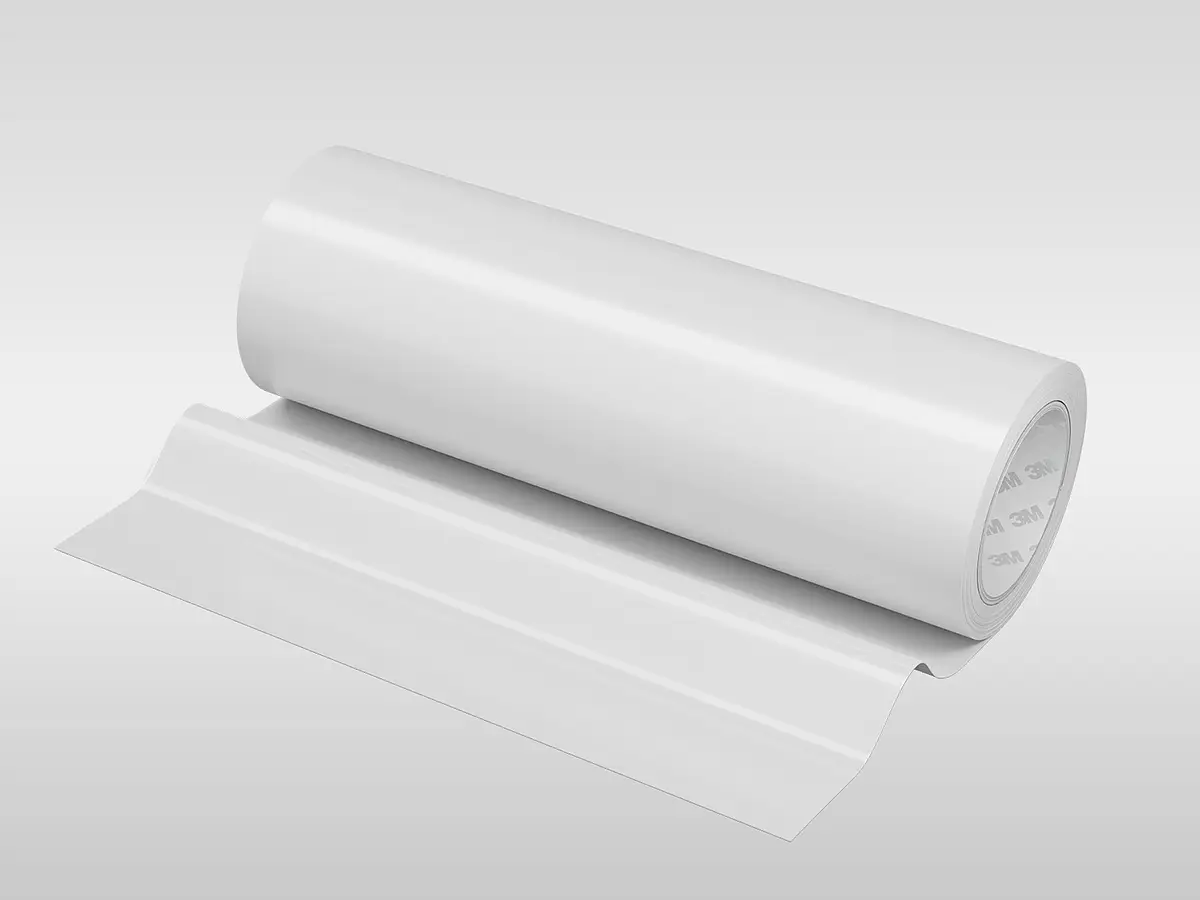
This page lists self-adhesive antistatic polyester film tapes from 3M for processes sensitive to electrostatic charge. The tapes adhere through an acrylic adhesive. If you need adhesion through electrostatic attraction alone, you need a different type of product. Compare ET 40 and ET 40PR by printing, format and conditions of use.
01
Selection criteria
Antistatic function or electrostatic adhesion?
The listed products are single-sided polyester film tapes with an acrylic adhesive and an antistatic product classification. First establish whether you need to limit electrostatic charge during handling and removal, or whether you need a film that adheres electrostatically without an adhesive. The listed tapes adhere through an adhesive, not electrostatic attraction alone. ET 40 is unprinted and ET 40PR is printed; check the exact width and specification of each product.
02
ANTISTATIC FILM TAPES
3M ET 40 and ET 40PR in the range
The filterable listing shows antistatic polyester film tapes from 3M in printed and unprinted versions. Use the specifications of the individual product to make your selection.
No products found
No products are currently listed in this category. Request a call back and we will help you find the right product.
Request a callback03
SELECTION FOR ELECTRONICS PROCESSES
Match construction, marking and processing
ET 40 and ET 40PR use a polyester film backing and an acrylic adhesive. The printed ET 40PR can support identification in the process; ET 40 is unprinted. Antistatic does not automatically mean that the complete component provides electrical insulation, conductivity or electromagnetic shielding. Check the surface, contact with sensitive components, removal and the electrical properties your application requires for the specific product.
Krückemeyer GmbH can convert suitable films and tapes into dimensions and shapes suited to the application. For cut lengths or die-cut parts, tell us the starting material, required geometry and how the part will be handled. We will review which version fits your process.
04
QUESTIONS ABOUT ANTISTATIC FILM TAPES
What does the range under ‘self-adhesive electrostatic film’ include?
The range contains self-adhesive antistatic polyester film tapes from 3M, in particular ET 40 and ET 40PR. They adhere through an acrylic adhesive. If the film needs to cling through electrostatic attraction alone, you need a different type of product. If your application needs that kind of temporary adhesion, tell us about the surface and how the film must later be removed. We can then clarify the required product type before selection.
How do 3M ET 40 and ET 40PR differ?
ET 40 is an unprinted antistatic polyester film tape; ET 40PR is the printed version. Both are single-sided self-adhesive tapes with an acrylic adhesive. Printing may help identify the tape in a workflow; the required format depends on your component and processing method. Check the electrostatic behaviour and resistance of the specific product version under your conditions of use.
Is an antistatic film tape also conductive or suitable for shielding?
Antistatic does not automatically mean electrically conductive or suitable for electromagnetic shielding. Whether your assembly provides either function depends on the tape's electrical properties and the way the assembly is constructed. Start with the function you require: limit charge during handling, create an electrical path, provide insulation or shield against electromagnetic interference. Describe the function and component construction so that a property of the tape is not assumed to apply to the complete system.
What information is needed for a converted version?
Tell us which film tape you intend to use, the surface, component geometry and processing step. Required marking, delivery form and conditions during removal are also useful. Krückemeyer GmbH can convert suitable films and tapes into dimensions and shapes for an application, for example by cutting or die-cutting. We review the technical and production fit of the chosen form against the actual starting material and your intended use.
05
Request advice
Describe the surface, electrostatic requirement and processing steps. We will discuss whether ET 40 or ET 40PR and a converted form are suitable for your process.
Enquire about antistatic film tapes
Tell us about the application, required format and any marking you need. We can discuss the appropriate product version and possible converting options.

ADHESIVE TECHNOLOGY ADVICE
Thomas Klein
Contact for products
Thomas Klein can discuss the material, electrostatic requirement and processing of your film tapes.