

TECHNICAL FILMS · SELECT BY FUNCTION
Self-adhesive technical films for industrial applications
Technical films serve different purposes on a component, depending on the product. Select by function, construction and conditions of use; Krückemeyer GmbH will assess suitable converting for your process.
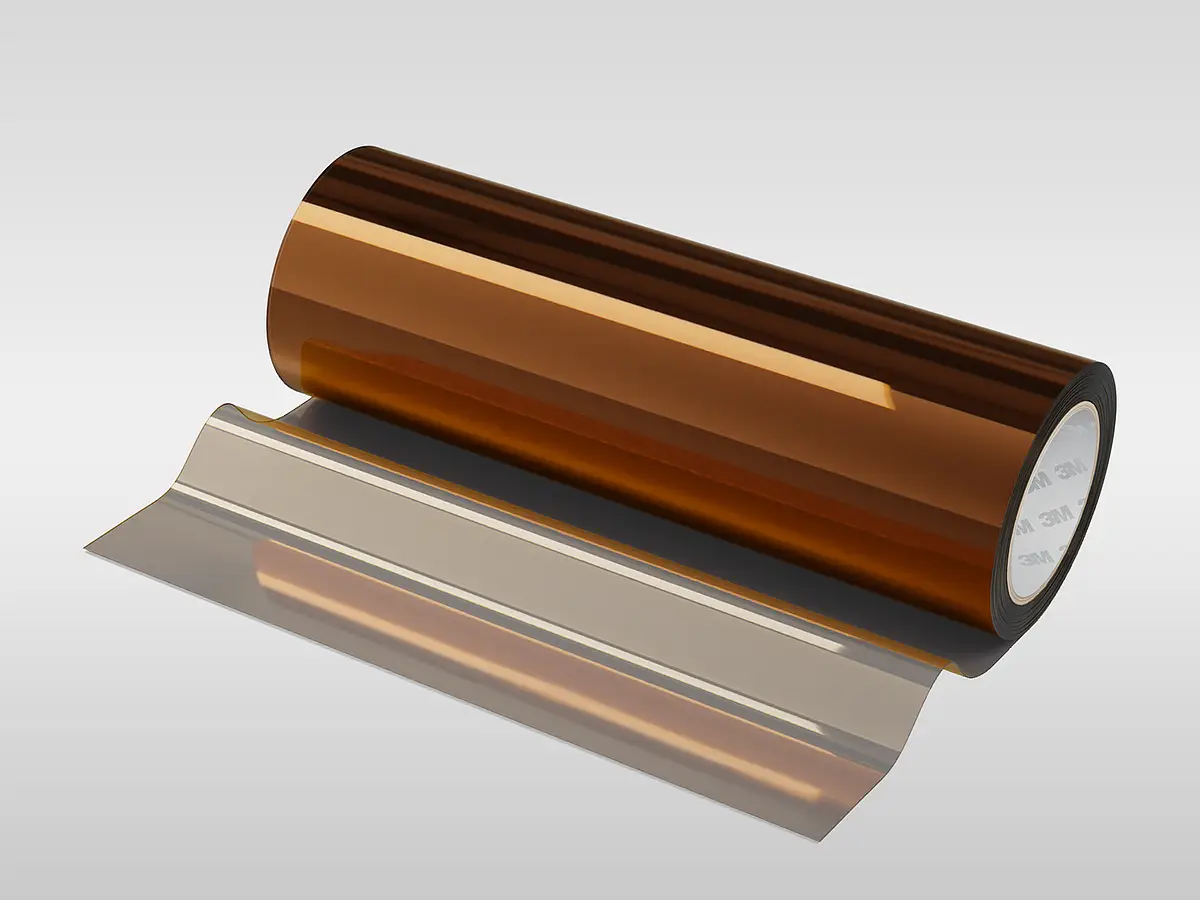
01
Subcategories
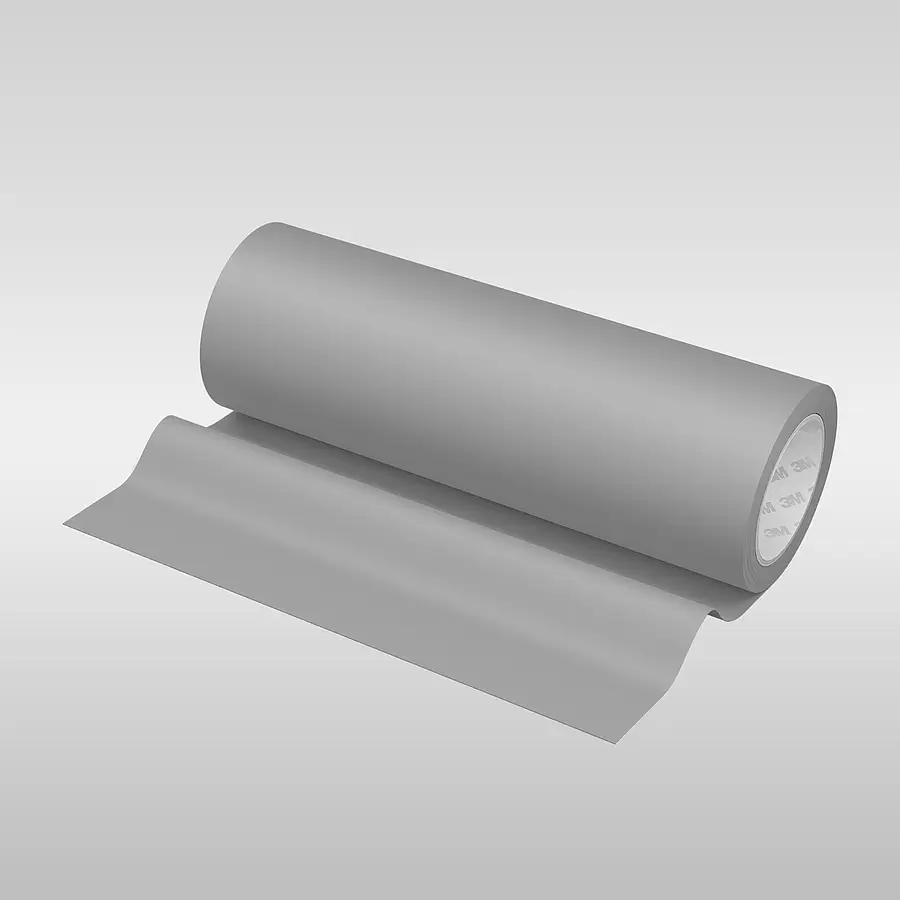
Spacer film
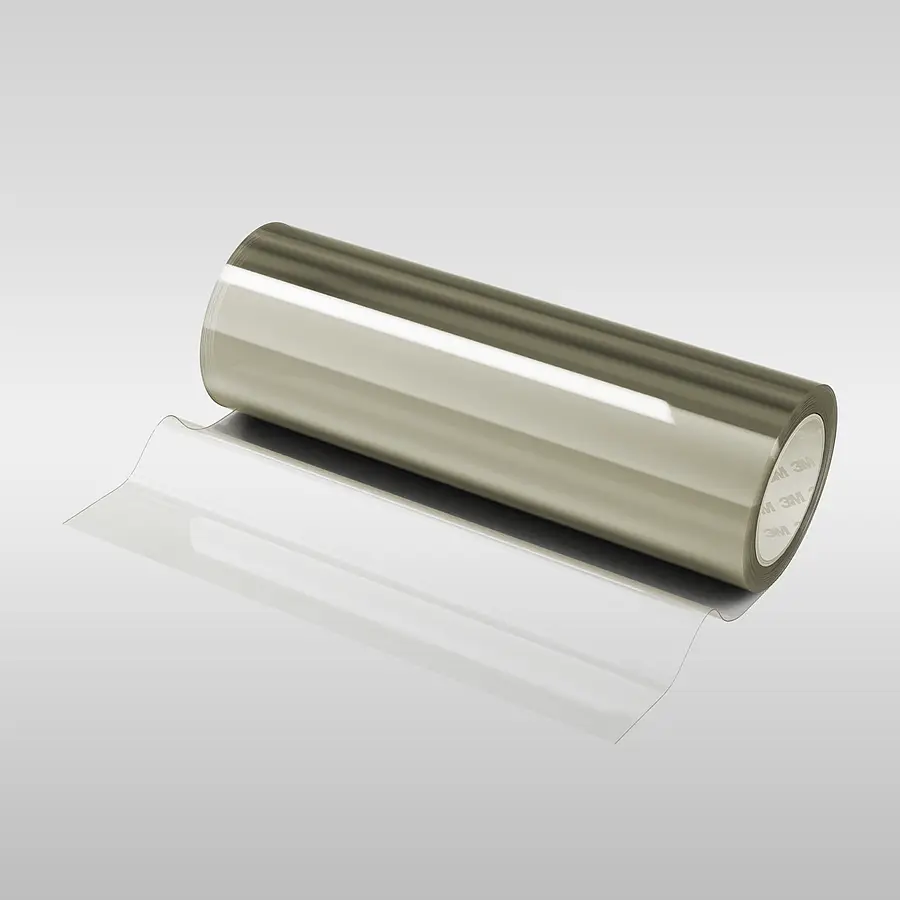
UV-resistant films
Anti-fog film
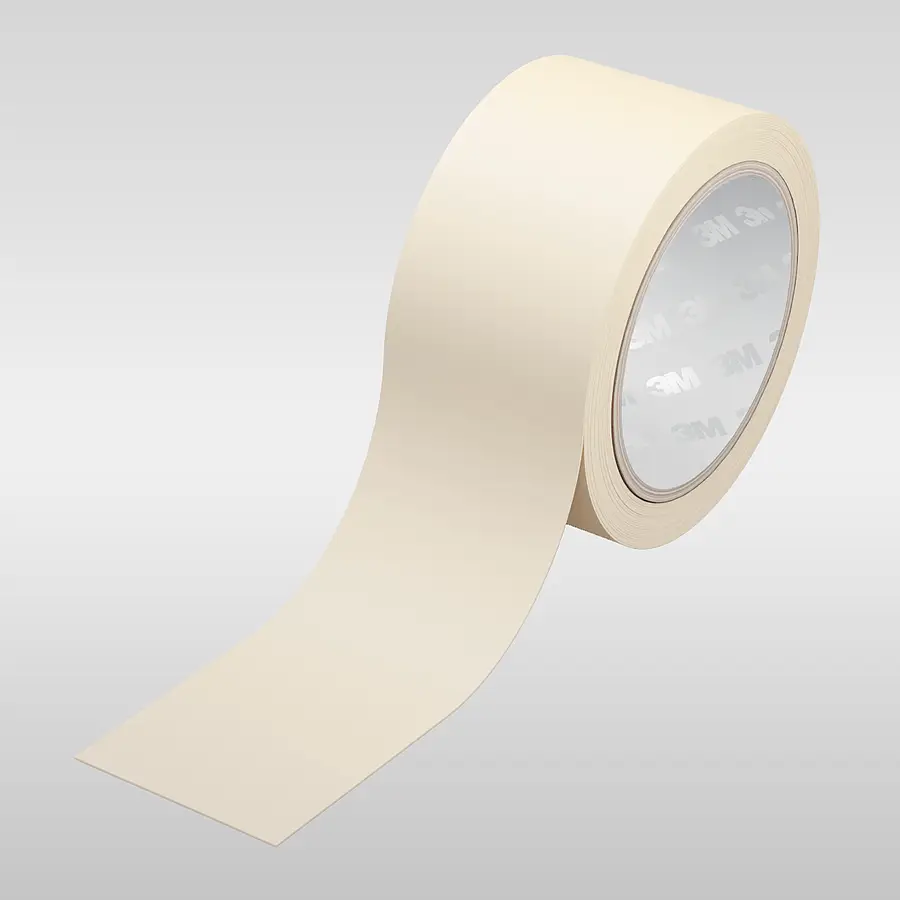
Application tape
Medical film
Sterile film
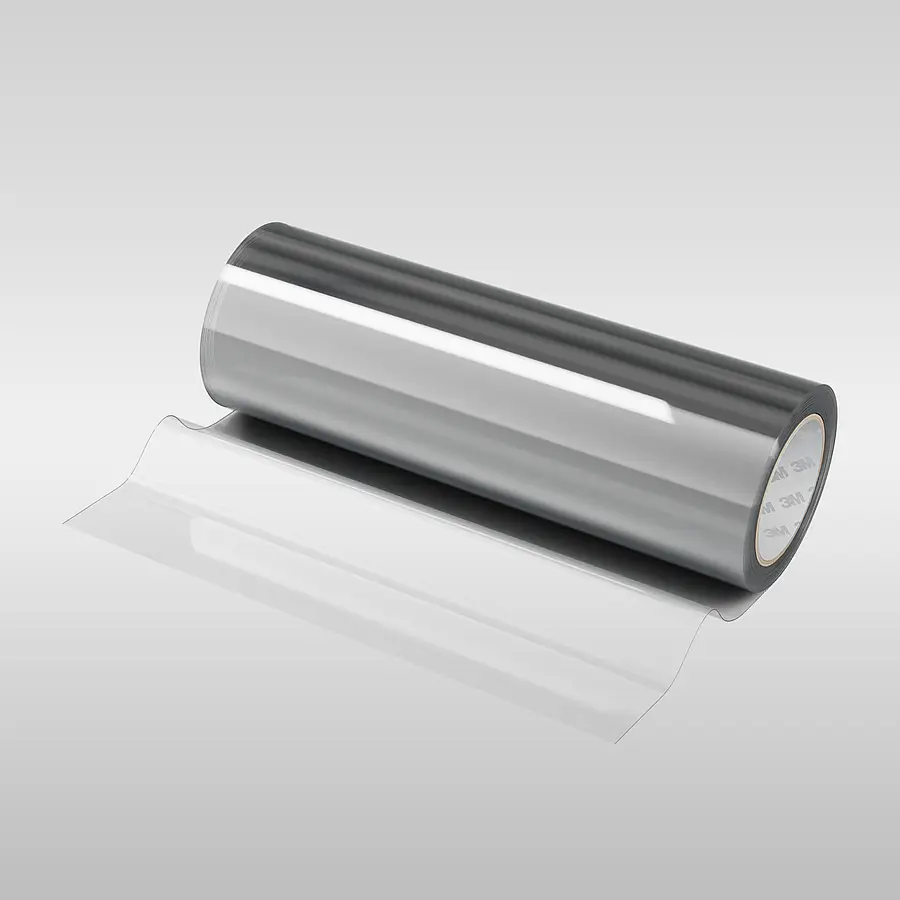
Barrier film
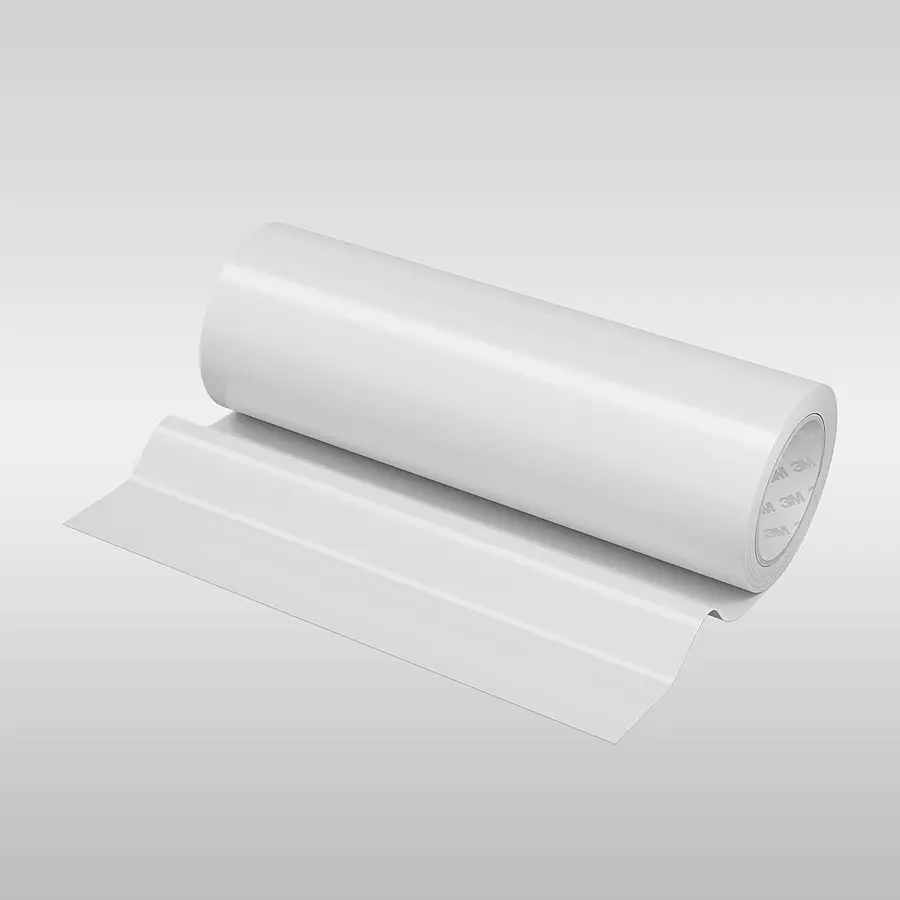
Printing film
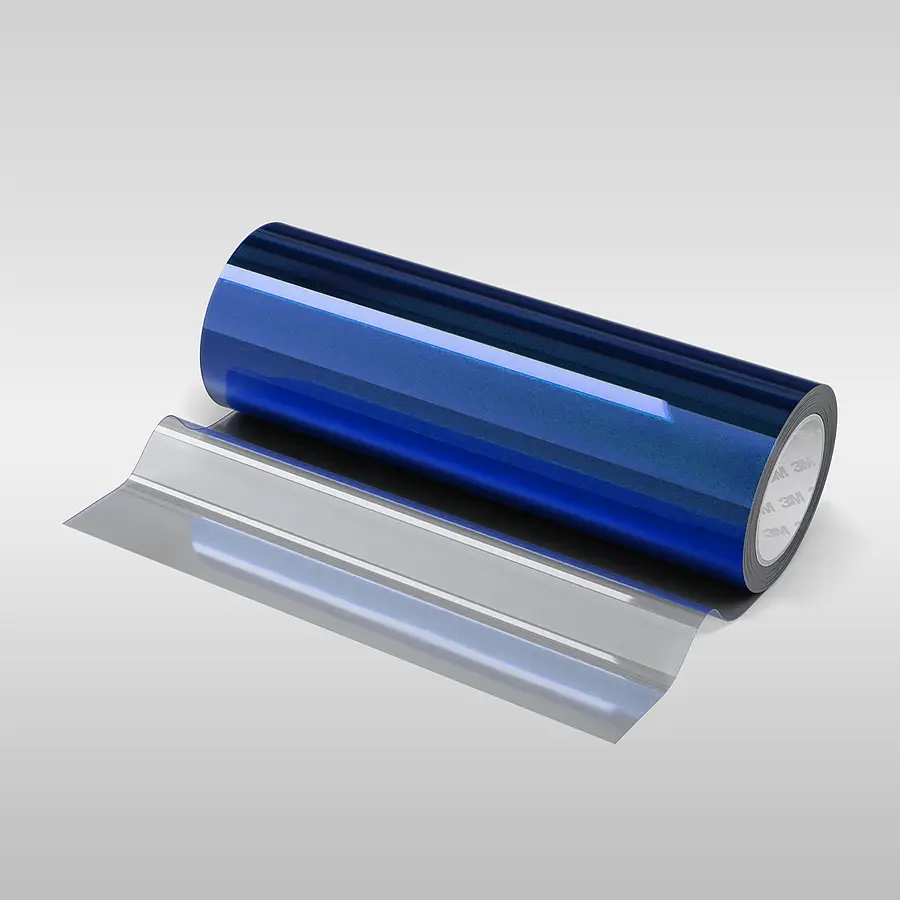
Colored film
Thermal transfer film
02
Selection criteria
Select technical films by function and construction
First define the task on the component: spacing, surface design, printing, or a protective or barrier function. Then compare the carrier material, adhesive layer, thickness, substrate, processing and exposure of the specific product. A property of the carrier does not automatically apply to the adhesive or finished construction.
03
TECHNICAL FILMS IN THE RANGE
Self-adhesive technical films in the range
The listing contains films with different materials and purposes. Product information helps narrow the choice; suitability for your application must be checked against the actual construction.
Floor marking tape
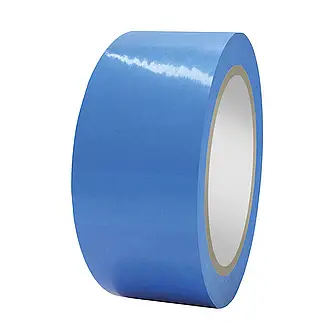
Capra Floor - Heavy Duty - Floor marking tape blue - 50 mm x 30 m
Floor marking tape
Capra Floor - Heavy Duty - floor marking tape yellow - 50 mm x 30 m
Floor marking tape
Capra Floor - Heavy Duty - Floor marking tape yellow-black - 50 mm x 30 m
Floor marking tape
Capra Floor - Heavy Duty - Floor marking tape green - 50 mm x 30 m
Floor marking tape
Capra Floor - Heavy Duty - floor marking tape glow-in-the-dark - 50 mm x 30 m

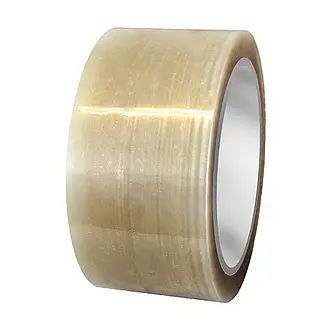
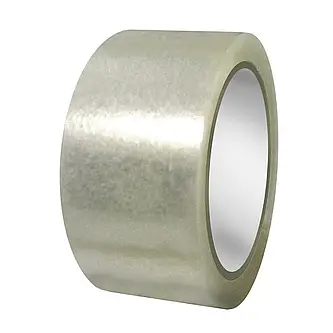
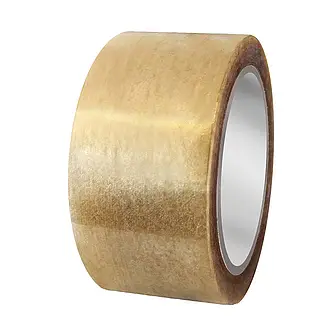
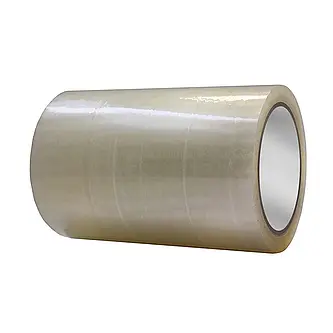
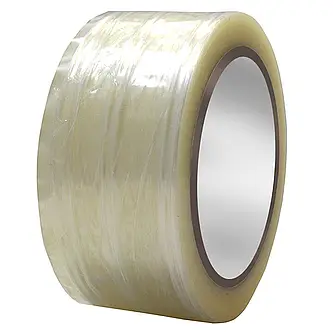
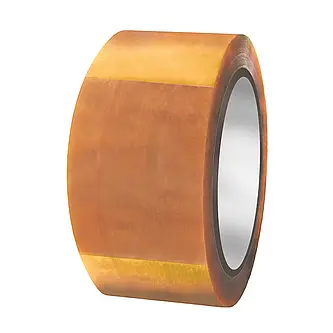
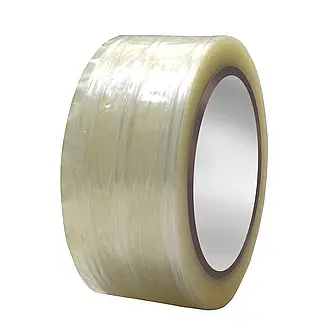
adhesive tape
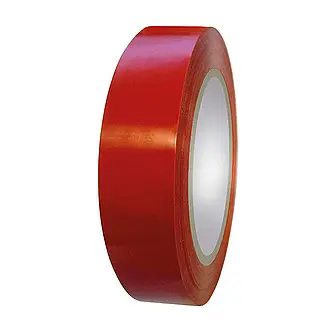
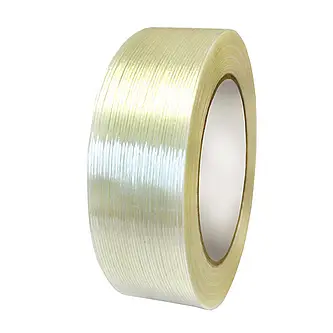
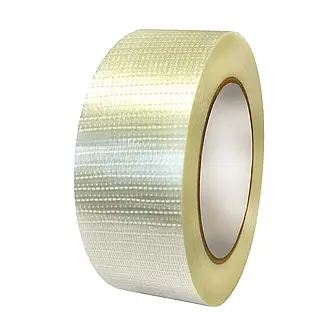
RK 222 Filament-Reinforced PVC Packaging Tape - 25 mm x 66 m
No products match this combination.
No products match all of the selected filter criteria.
04
UNDERSTANDING TECHNICAL FILMS
Which technical film fits your component?
“Technical film” is not a single material class. Selection depends on the required function, actual carrier material, adhesive layer and exposure in use. The subpages cover individual applications; electrical, protective, plastic and metal films are linked as related topics.
For an enquiry, describe the substrate, component shape, dimensions, processing and required evidence. Krückemeyer GmbH can then assess an application-specific version and supply format, such as a cut piece or die-cut part, where the starting material is suitable.
05
QUESTIONS ABOUT TECHNICAL FILMS
How do I choose a technical film for my application?
Start with the function the component must perform, then check the actual product construction. Carrier material, adhesive, thickness, substrate and later exposure may all matter when choosing a technical film. The subpages address more specific selection questions. For durability and suitability, the data for the selected product must match your conditions of use. Consult its data sheet. Tell us about the component, conditions of use and desired supply format so that we can assess a suitable version.
Are all technical films electrically insulating or conductive?
No. Electrical insulation and conductivity are different requirements; neither follows from the name “technical film” alone. A metal film, a plastic film and a multilayer construction must each be assessed for the intended function. The adhesive layer and processing can also affect the application result. If the task is electrical, the electrical films page offers a more focused starting point. The technical data for the individual product and testing under your conditions remain decisive.
What information helps when converting technical films?
Useful details include the required application result, the material or product, component geometry, dimensions, part format and handling in your process. Krückemeyer GmbH can process suitable materials into application-specific dimensions, shapes and supply formats. Whether cutting, die-cutting or laser processing is appropriate depends on the starting material and geometry. Include requirements for the liner and part removal so handling can be planned accordingly. Feasibility and the properties of the finished item are assessed for the specific enquiry.
How do print films and thermal transfer films differ?
The first distinction is the intended printing task. The product data include print films for decorated surfaces and polyester films intended for thermal transfer printing. Printing methods, durability and suitable substrates depend on the individual product. Check suitability for your printing method, desired surface and later exposure against the specific data sheet. The relevant subpages support initial selection; an enquiry can clarify processing and the required supply format.
06
Request advice
Tell us about the function, substrate, component geometry and planned processing. We will clarify which product data and converting steps are needed for selection.
Enquire about technical films for your application
Send us your requirements for the material, function and supply format. We will assess the specific product and suitable processing.

TECHNICAL FILM ADVICE
Thomas Klein
Contact for products
Thomas Klein can help you choose a film and align converting with your application.