

FILMS FOR THERMAL REQUIREMENTS
Temperature-Resistant Films for Labelling and Protection
Whether a self-adhesive film suits your application depends on its temperature profile, substrate and required function. Select from the range using product construction and processing needs; Krückemeyer GmbH will discuss suitable converting with you.
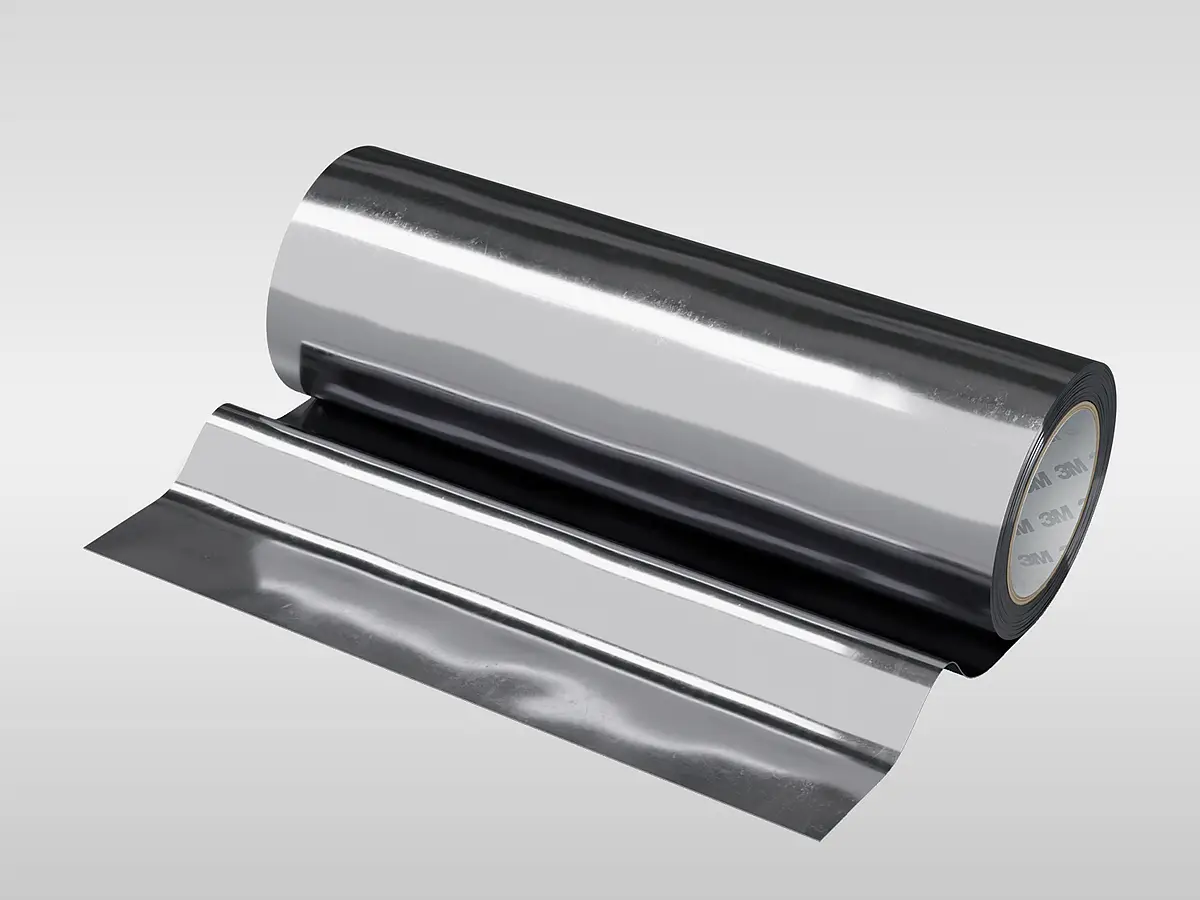
01
Explore film categories
Fire-resistant film
Heat-resistant self-adhesive film
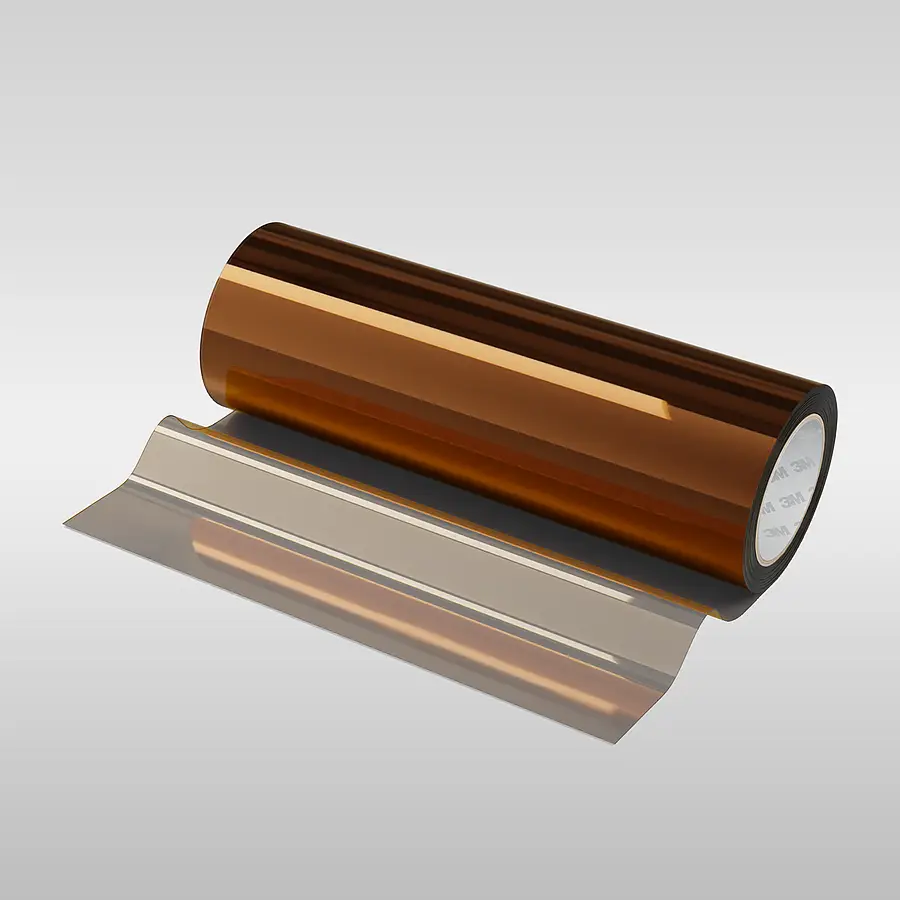
High-temperature-resistant film
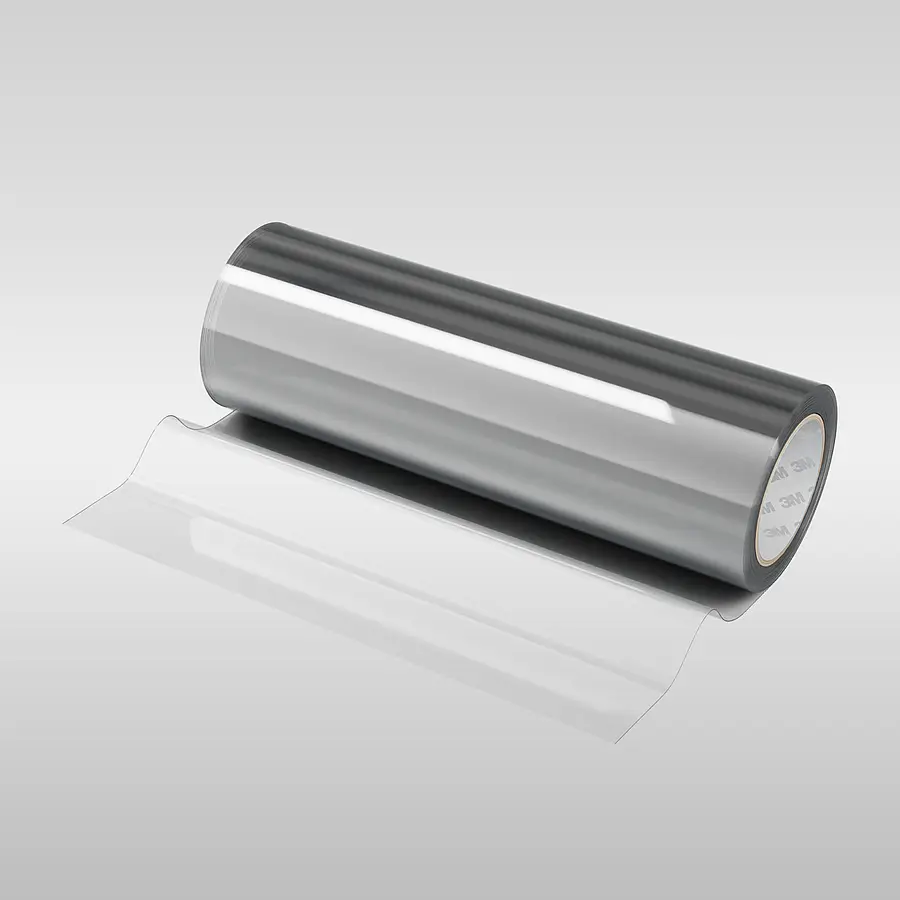
Release liner film
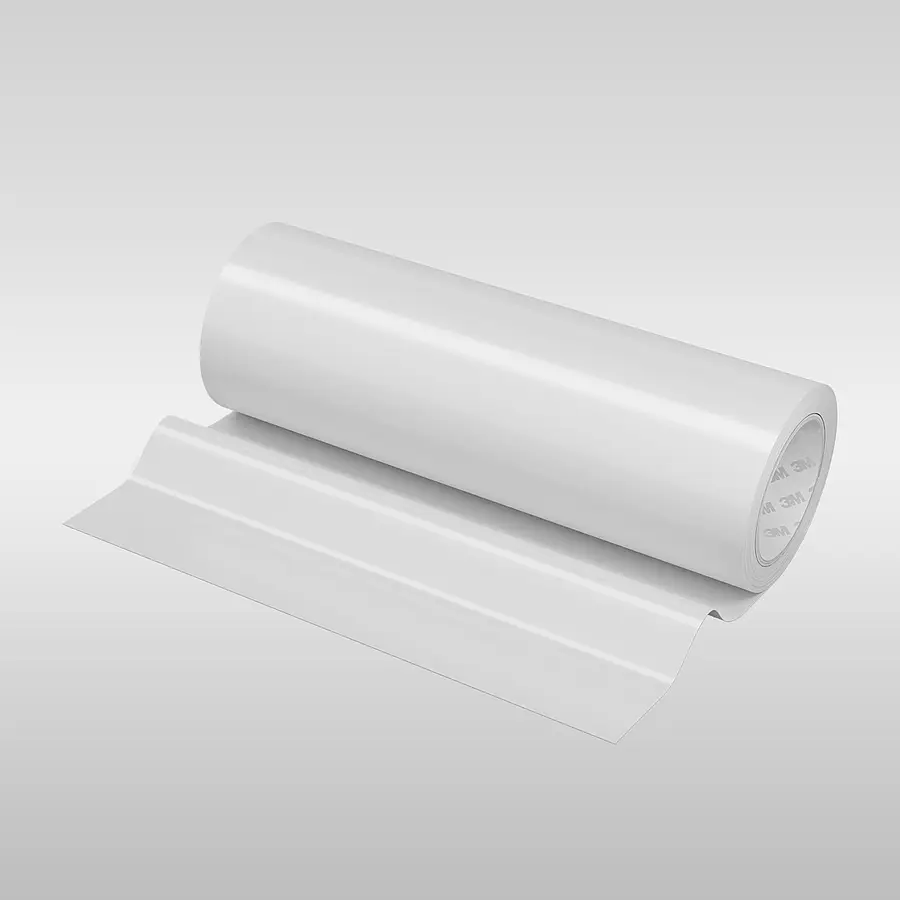
Thermally conductive film
Cold protection film
Heat protection film
02
Selection criteria
What thermal task must the film perform?
Start with the application: does the film need to carry a label, cover a surface, separate materials or protect against a specific exposure? Then establish the temperature during processing and use, the exposure time, substrate and any additional stresses. The suitability of the complete film construction, including adhesive and release liner, matters; a property of the film material alone is insufficient.
03
TEMPERATURE-RESISTANT RANGE
Temperature-resistant self-adhesive films in the range
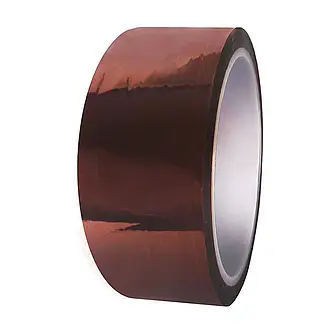
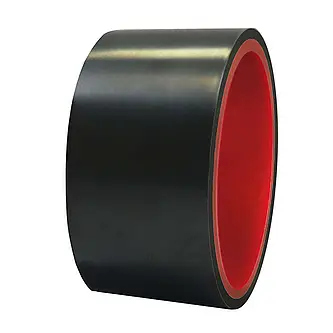
The protected product listing shows the assigned films. These include thermotransfer-printable 3M films in the 3922 range for industrial labelling; suitability for your thermal exposure depends on the data for each article.

No products match this combination.
No products match all of the selected filter criteria.
04
SELECT BY OPERATING CONDITIONS
Assess the temperature profile and film construction together
“Temperature-resistant” becomes meaningful only in the context of the intended use: brief heating during processing differs from continuous exposure in service. For labels, the printing method and legibility also matter. The product data for the listed 3M 3922 and 3922DSL films describes a matt white surface, thermotransfer printability and a high-temperature acrylic adhesive. This does not establish blanket suitability for every substrate or temperature profile.
Krückemeyer GmbH can cut suitable starting material for your processing or supply die-cut parts. Assess film construction, component geometry, supply form and processing steps together with the required function. Send us your operating conditions so that we can review selection and converting with you.
05
QUESTIONS ABOUT THERMAL EXPOSURE
What temperature must a self-adhesive film withstand?
The relevant measure is the temperature profile of your application, rather than a maximum value alone. Specify temperatures during processing and service, how long each exposure lasts and whether the temperature cycles. The film, adhesive, release liner and substrate can respond differently. Review the product data for each listed article individually; the term “temperature-resistant” does not provide a uniform approval for every type of exposure.
How do temperature-resistant labelling films differ from protective films?
A labelling film needs to keep information legible under its intended conditions, while a protective film performs a different task on the component or in the process. The range includes thermotransfer-printable 3M films in the 3922 series. Printing technology, substrate and temperature profile matter when choosing them. A protective task also requires you to define the type of exposure and desired removal. Suitability must be supported by the details of the specific product.
What information does Krückemeyer need for converting?
Describe the application, substrate, temperature profile and any additional stresses. For the supply form, specify the required width, shape and processing steps. Krückemeyer GmbH can cut suitable materials or make die-cut parts; whether the selected starting material retains the intended function after processing must be checked against material, geometry and use. Include any labelling requirement or later removal in your enquiry as well.
Does heat resistance also mean fire resistance or thermal conductivity?
No. Temperature resistance, behaviour in a flame, thermal conductivity and heat protection are separate properties. A film's operating-temperature statement does not substantiate a fire-related property or a defined heat-transfer rate. A property of its carrier does not automatically apply to the adhesive, laminate or finished component. Define the required function and evidence first; you can then select a product described for that purpose and assess its suitability in the actual construction.
06
Request advice
Tell us the temperature profile, substrate, protection or labelling task and required supply form. We will review the product data and suitable converting with you.
Discuss the film and temperature profile
Describe your application and processing needs. Use the enquiry list for specific articles, or speak with our adhesive technology team about selection.

TECHNICAL FILM ADVICE
Thomas Klein
Contact for products
Thomas Klein will discuss your temperature profile, substrate and suitable converting with you.