

ESD · ELECTRONICS ASSEMBLY
ESD film: antistatic tapes for electronics assembly
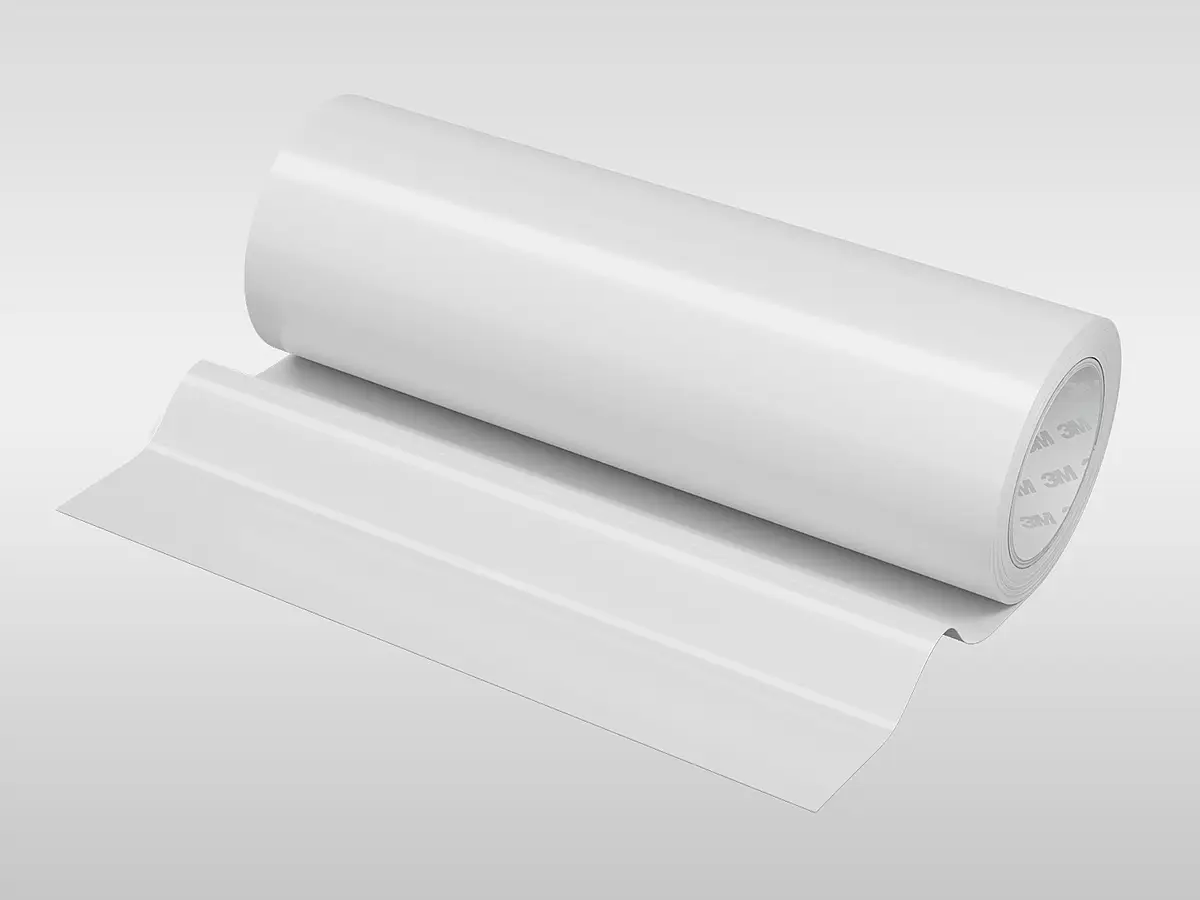
ESD stands for electrostatic discharge. This range comprises antistatic polyester film tapes for sensitive electronics processes, in unprinted and printed versions. The handling step, the surface and the required supplied form guide the selection.
01
Selection criteria
Which ESD film suits your process step?
First identify where electrostatic charging matters during unwinding, bonding or removal. The listed versions differ, among other things, in their printed or unprinted surface and width. The polyester film backing and acrylic adhesive are described for specific products; the antistatic function is no blanket assurance for every assembly or working environment.
02
ESD FILM TAPES
Antistatic polyester film tapes in the range
The listing contains 3M ET 40 antistatic film tapes and printed 3M ET 40PR versions. Each product record specifies its dimensions and version.
No products found
No products are currently listed in this category. Request a call back and we will help you find the right product.
Request a callback03
SELECTING ESD FILM
Assess the antistatic function in its application
ESD film for electronics assembly must suit the component, substrate and processing method. Establish whether low charging on removal is needed, whether marking is required and which width you will process. Electrical conductivity, insulation and electromagnetic shielding are separate requirements; the term “ESD film” does not establish any of them. Krückemeyer GmbH can cut suitable stock to size or convert it into die cut parts for your geometry. Describe the process, surface and required supplied form in your enquiry.
04
QUESTIONS ABOUT ESD FILM
What does ESD mean for a self adhesive film?
ESD means electrostatic discharge. For the antistatic polyester film tapes listed here, charging during handling and removal is a key selection issue. ESD film does not replace other protective measures at the workplace or assessment of the finished assembly. Check the specific product property and the conditions of your process before assuming that the tape provides protection in your application.
How do 3M ET 40 and 3M ET 40PR differ?
The product records describe 3M ET 40 as unprinted and 3M ET 40PR as printed antistatic polyester film tape. The printed version can help identify the tape within a workflow. Selection also depends on the listed width, the substrate and the step at which the tape is applied or removed. These descriptions do not establish equal performance for both versions under every condition.
Is antistatic ESD film also electrically conductive or shielding?
No. An antistatic designation alone establishes neither electrical conductivity nor electromagnetic shielding. Each function has to be checked for the particular product and intended assembly. The same applies to electrical insulation. Specify whether you need to limit charging during processing, conduct current or shield against electromagnetic interference. That distinction directs your enquiry to the appropriate range.
What details does Krückemeyer need for converted ESD film?
Specify the component and its surface, the processing step, the required shape and the supplied form. It also helps to explain when the tape will be removed and whether printed marking is needed. Krückemeyer GmbH can cut suitable stock and supply die cut parts. Whether the selected ESD film remains suitable after conversion has to be assessed against the material, geometry and process.
05
Request advice
Describe your electronics assembly, substrate and the step where charging needs to be limited. We will discuss the product version, dimensions and a suitable converted supplied form with you.
Enquire about ESD film for your application
Tell us about the component, process and required supplied form. We will assess with you which antistatic film tape and conversion may be suitable.

ADHESIVE TECHNOLOGY · ESD FILM
Thomas Klein
Contact for products
Thomas Klein will discuss the requirements for the film tape, substrate and supplied form with you.