

PLASTIC FILMS FOR PROTECTION AND IDENTIFICATION
Self-adhesive plastic films for industrial applications
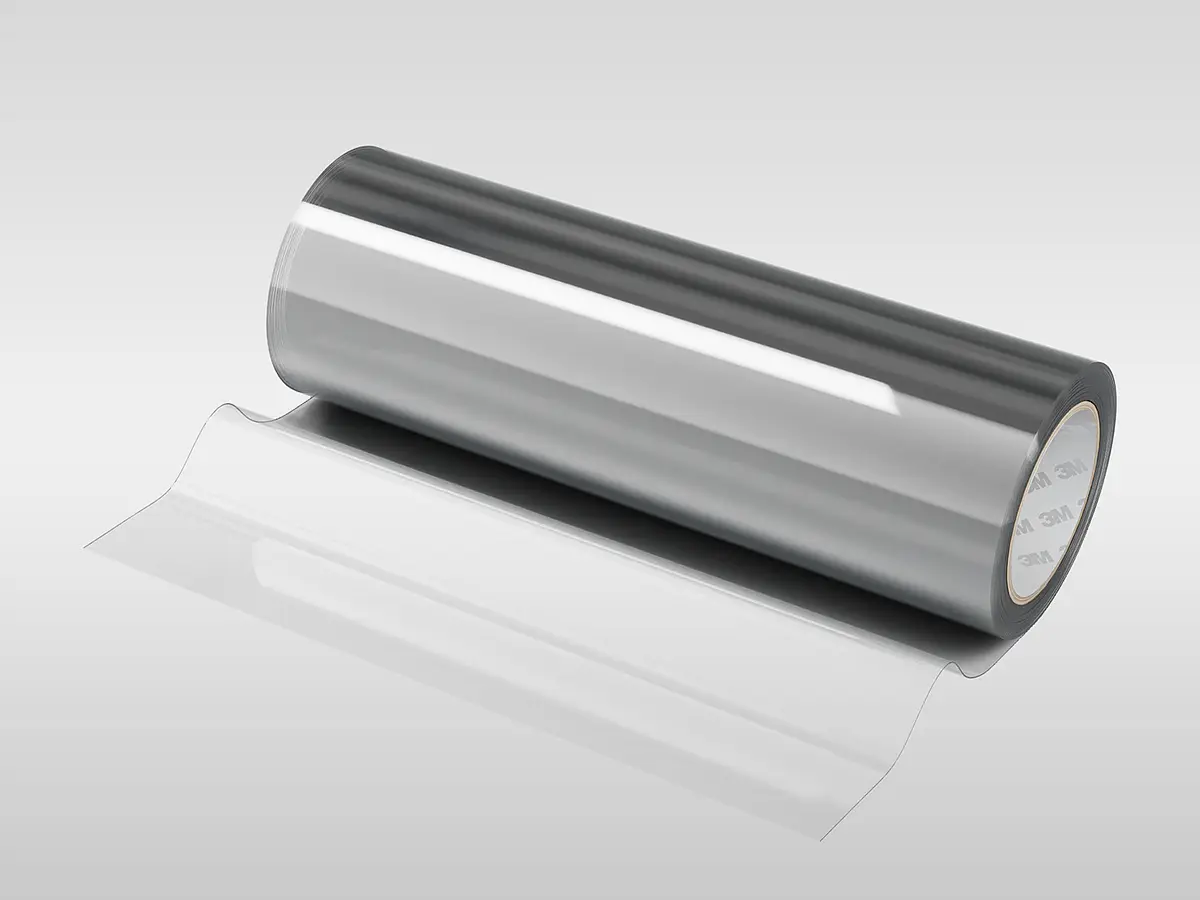
Self-adhesive plastic films combine a film layer with an adhesive layer. For protection, identification and other applications, select the specific construction for your substrate and process; Krückemeyer GmbH can advise on slitting and die-cut parts.
01
Film types and materials
Self-adhesive Teflon film
Self-adhesive Plexiglas film
Mylar film
Hostaphan film
Kapton film
3M films
PEEK film
PPS film
Polyester film
PE film
PEI film
PET film
Polycarbonate film
PP film
PTFE film
PU film
PVC film
Aramid paper
HDPE film
Polyimide film
PMMA film
Polystyrene film
Silicone film
Acetate film
02
Selection criteria
Which film construction fits the task?
Start with the required function: should the film protect a surface, carry an identification mark or cover a visible area? These films combine plastic carriers such as PE, PVC and polyester with an adhesive layer; the adhesive type depends on the product. Film material, adhesive and the substrate to be covered are separate selection criteria. Compare the construction, the thickness of the specific product, service conditions and the processing step before choosing a grade.
03
SELF-ADHESIVE PLASTIC FILMS
Check product construction and suitability
For each assigned product, check whether its description specifies a self-adhesive plastic film with a suitable film layer, adhesive layer and application. The product data determine the choice of a specific grade.
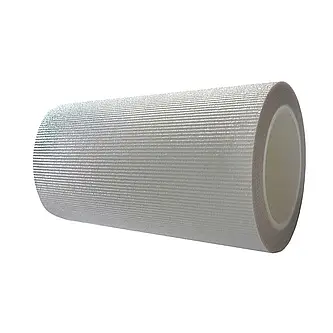

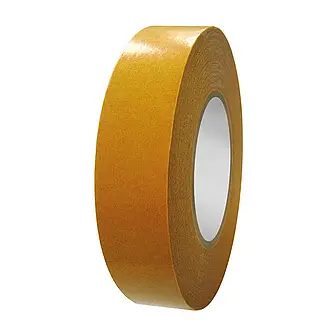
Double-sided tape
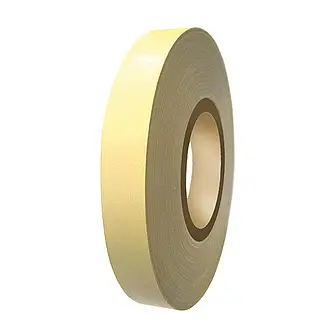
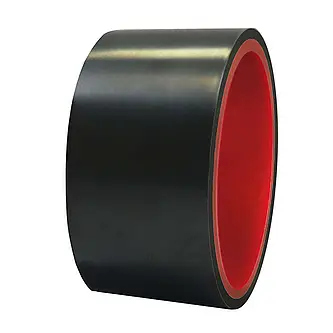
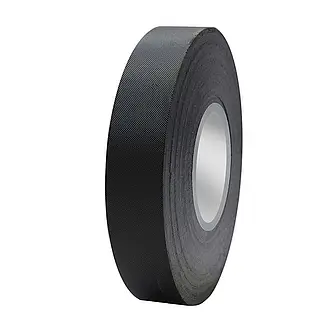
RK 830 Double-Sided Adhesive Tape - 1,000 mm x 50 m - white
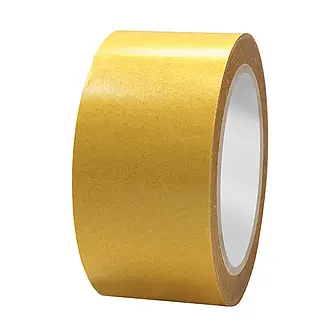
Double-sided tape
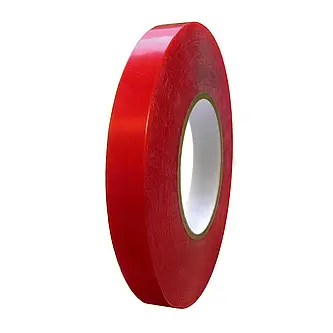
RK 854 Double-Sided Adhesive Tape - 1,500 mm x 100 m - colourless

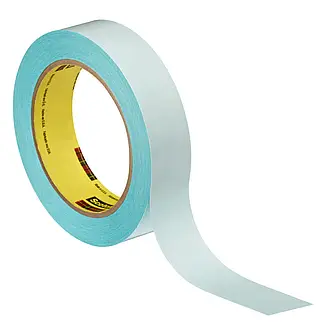

3M Double-Sided Adhesive Tape
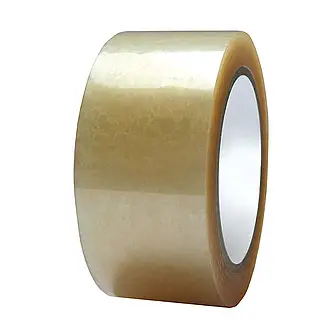
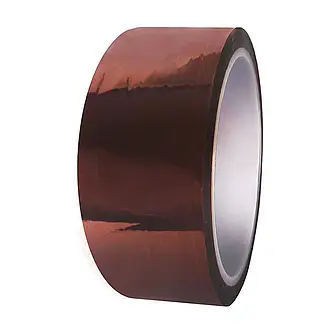
3M Doppelseitiges Klebeband mit Polyester-Träger 9576, Transparent, 50 mm x 50 m
No products match this combination.
No products match all of the selected filter criteria.
04
PLASTIC FILM SELECTION GUIDE
Match protection, identification and processing
For a protective film, the surface to be protected, duration of use and later removal are decisive. For printable polyester film, consider the print image, surface and identification task; for coloured film, also consider the visible area and substrate. A property of the film carrier does not automatically apply to the adhesive or the complete construction. Technical specifications for the carrier and adhesive apply to the particular product grade.
If you need a specific width or contour, state the starting material, dimensions, processing step and required supply form. Krückemeyer GmbH can slit suitable films or convert them into die-cut parts; feasibility depends on the specific material and application.
05
QUESTIONS ABOUT CHOOSING PLASTIC FILMS
How can I identify the construction of a self-adhesive plastic film?
The product data describe separate layers: the film material, adhesive layer and any release liner serve different purposes. The term plastic film alone does not identify the adhesive type or suitability for your substrate. Compare the construction of the specific product with the surface, required function and processing step. Include these details in your enquiry so that the required supply form can be assessed as well.
How do PET film and polyester film differ when selecting a product?
PET is a polyester material, but the two names alone do not define a self-adhesive product grade. Compare the film layer, adhesive layer, surface and intended application for the specific item. The product catalogue includes printable polyester films for industrial identification. Suitability for your printing process and substrate depends on the product data and assessment of the application. A material name alone cannot replace that assessment.
How do I select a plastic film for temporary surface protection?
Start with the surface to be protected and the protection task. Then clarify how the film will be applied, how long it will remain on the part and under which conditions it must be removed. The product catalogue contains self-adhesive protective films with different plastic carriers and adhesives. Do not assume that every grade can be removed from every substrate in the same way; test the selected film on the actual material and state the required supply form.
What information does Krückemeyer need for slitting or die-cut parts?
State the required function, the specific film construction or starting material, the substrate and the conditions during processing and use. Width, length, contour and the required supply form also help when discussing converting. Krückemeyer GmbH can process suitable materials into dimensions and shapes suited to the application. Whether slitting or die-cut parts are appropriate depends on the material, geometry and application; processing does not automatically create a material property.
06
Request advice
Describe the film's function, substrate, service conditions and required supply form. We can discuss the specific product grade and potential converting for your processing step.
Choose plastic film for your application
Tell us about the surface, required function and shape. Krückemeyer GmbH will assess the film construction, adhesive layer and converting options with you.

PLASTIC FILM ADVICE
Thomas Klein
Contact for products
Thomas Klein will discuss the film's function, substrate and required supply form with you.