

ELECTRICAL FILMS · SHIELDING
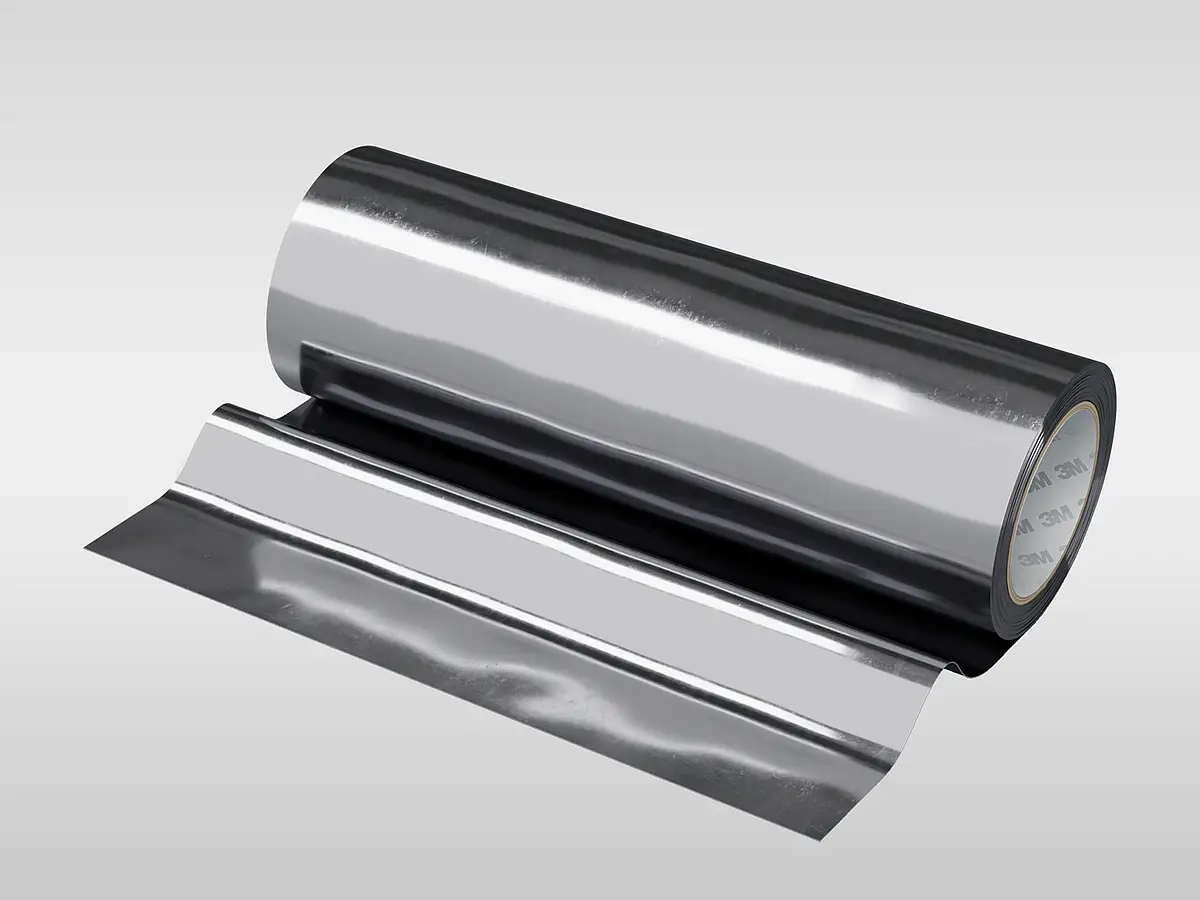
Self-adhesive shielding foil for EMC applications
Self-adhesive shielding foils can help limit electromagnetic interference around electronic assemblies. Selection depends on the conductive construction, electrical contact and the shape of your application. Krückemeyer GmbH helps you choose the material and a suitable converted format.
01
Selection criteria
Choose shielding foil by construction and contact
Identify the surface or connection to be shielded and how the foil will be connected electrically. Consider the metal carrier and adhesive separately: a conductive carrier does not establish that current can pass through the adhesive layer. The substrate, overlaps, shape and processing also matter when selecting a specific product.
02
SHIELDING FOILS
Self-adhesive shielding foils in the range
The protected product listing shows the shielding foils assigned to this category. Check the carrier, adhesive and intended use of each item before requesting a particular version.
No products found
No products are currently listed in this category. Request a call back and we will help you find the right product.
Request a callback03
SHIELDING SELECTION GUIDE
Which shielding foil suits the electrical connection?
Shielding against electromagnetic interference and electrical conductivity are related but distinct selection questions. A conductive connection requires a suitable path through the adhesive and at the adjoining components; shielding also depends on the installation position and transitions. A material specification alone establishes neither the performance of the complete assembly nor its suitability for your frequency and installation conditions.
Tell us about the component, substrate, contact areas and required delivery format. Krückemeyer GmbH can convert suitable stock materials into application-specific dimensions and shapes. We will assess with you whether a cut piece or die-cut part can retain the required electrical function during assembly.
04
QUESTIONS ABOUT SHIELDING FOIL
How does shielding foil differ from electrical insulation film?
Shielding foil is selected to limit electromagnetic interference, whereas electrical insulation film is intended to prevent unwanted current flow between parts. For the shielding foils in this range, check the construction and electrical contact. For an insulation film, the insulation properties of the specific product must meet the requirements of your application. These are different tasks and cannot be inferred from how a film looks. Describe the electrical function of your assembly before selecting the material and adhesive layer.
Is self-adhesive metal foil automatically electrically conductive?
No. A metal carrier may conduct electricity while the adhesive layer does not provide electrical contact through the bond. A conductive connection depends on the specified properties of both carrier and adhesive and on contact with the adjoining surfaces. For a shielding foil, identify the intended current path and check the data for the particular item. Its material name alone establishes neither a continuous grounding connection nor the shielding performance of a completed assembly.
What information matters for foil-based EMC shielding?
Describe the assembly to be protected, the possible interference source, the installation position and the intended electrical connection. The substrate, overlaps, assembly space and required shape of the shielding foil also matter. Product statements on conductivity or shielding apply to the stated construction and conditions. Send us the component design and processing requirements so that we can narrow down a suitable material and delivery format together.
Can shielding foil be supplied as a die-cut part?
Suitable self-adhesive materials can be converted into cut pieces or die-cut parts. The shape needs to match the component and its intended contact points. Cut edges, openings and handling during assembly cannot simply be assumed to provide the same electrical performance as an uncut surface. Send us the drawing, material requirements, contact areas and installation conditions. Krückemeyer GmbH can then assess technical feasibility and a suitable delivery format for your application.
05
Request advice
Describe the assembly, substrate, electrical contact and installation conditions. We will discuss a suitable shielding foil and whether a cut piece or die-cut part fits your assembly process.
Enquire about shielding foil for your assembly
Send us your requirements for material, electrical contact and shape. You can use the enquiry list for specific items.

SHIELDING FOIL ADVICE
Thomas Klein
Contact for products
Thomas Klein will discuss the material, electrical contact and converting options for your shielding foil.