

FILMS FOR THERMAL EXPOSURE
Choose heat-resistant self-adhesive film
When a component is exposed to heat, the film must suit its temperature profile, the component and the processing method. Compare the backing and adhesive information for each product; Krückemeyer GmbH can help you select and convert a suitable material.
01
Selection criteria
Establish the temperature profile and construction first
Describe how hot the component becomes, how long the exposure lasts and whether processing adds further heat. Then examine the construction of each product: film backing, adhesive and any release liner serve different purposes. The range includes polyimide and PTFE films with silicone adhesive; check the selected product's data sheet for its permitted exposure rather than relying on the backing material alone.
02
HEAT-RESISTANT FILMS
Single-sided self-adhesive heat-resistant films
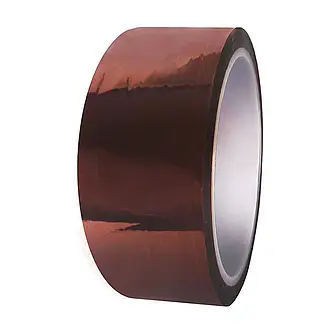
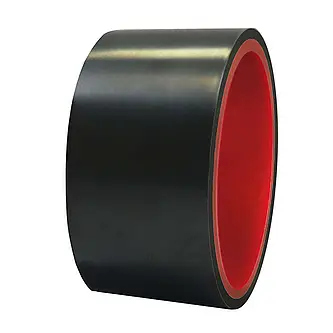
The range contains single-sided self-adhesive films assigned to this category. Compare each product's backing, adhesive and specified temperature exposure.

No products match this combination.
No products match all of the selected filter criteria.
03
SELECT BY HEAT EXPOSURE
Check heat resistance for the specific product
“Heat-resistant” is not a uniform temperature rating. What matters is whether exposure is continuous or brief and what function the film must perform. For 3M ET 92 polyimide film tape, the manufacturer's data sheet specifies the intended continuous operation and a pressure-sensitive silicone adhesive that requires no heat for application. A heat-activated adhesive film uses a different processing principle. Information for one product does not automatically apply to other films or to the finished bond.
If the width or contour must fit your production process, Krückemeyer GmbH can convert suitable base material. Tell us about the component, surface, temperature profile, required delivery format and processing steps. We will assess the material, geometry and application with you before you choose a specification.
04
QUESTIONS ABOUT HEAT AND FILM
How do I choose heat-resistant film for my process?
Start with the actual temperature profile at the component and the duration of exposure. Then check the film backing, adhesive and intended function against the information for each product. A rating for the backing alone does not establish how the self-adhesive film will adhere in service. Information about the surface, further stresses and your processing method also helps with selection. Assess a specific format against the material and the intended application.
Is heat-resistant film the same as heat-activated adhesive film?
No. Heat resistance describes a documented ability to withstand exposure during processing or use. Heat activation means that heat is needed to activate an adhesive bond. By contrast, the manufacturer's data sheet for 3M ET 92 specifies a pressure-sensitive silicone adhesive that needs no heat for application. The appropriate principle depends on the substrates, bonding process and required result. Compare the details of the product you intend to use.
Does heat resistance also mean fire resistance or thermal conductivity?
No. Temperature resistance, flame behaviour and thermal conductivity are separate properties. A product-specific statement on flame retardancy is available for 3M ET 92; it does not establish that the whole range is fire-resistant. Equally, a temperature rating for a film backing does not establish the thermal conductivity of a bonded assembly. If your component needs either function, specify it clearly and check the documentation for a suitable product.
What information does Krückemeyer need to cut film to size?
Tell us the required application result, the surface, temperature profile and any additional stresses. For converting, the width, length or contour, your processing steps and the required delivery format also matter. Krückemeyer GmbH can convert suitable base material into application-specific dimensions and shapes. Whether a cut roll or die-cut part retains the intended function must be checked against the particular material and geometry.
05
Request advice
Describe the component and surface, the level and duration of heat exposure, and your processing method. We can use this information to assess a suitable film and delivery format.
Assess heat-resistant film for your application
Tell us about the temperature profile, surface and required shape. You can use the enquiry list for specific items.

HEAT-RESISTANT FILM ADVICE
Thomas Klein
Contact for products
Thomas Klein can discuss the temperature profile, material construction and suitable converting options with you.