

FLAME-RETARDANT FILMS
Fire-resistant film: assess flame-retardant options
Do you need a film for an application with fire performance requirements? Check the specific product construction, the required evidence and the processing method before selecting a version.
01
Selection criteria
What must the film withstand?
Distinguish limited flame spread from heat resistance and thermal protection. The specific backing, adhesive layer, substrate and processing conditions all matter. Evidence for a material does not automatically apply to the finished laminate or component.
02
FLAME-RETARDANT RANGE
Items with the “flame-retardant” property
The protected listing shows items assigned the “flame-retardant” catalogue property. The suitability of a particular version depends on its product evidence and the intended construction.

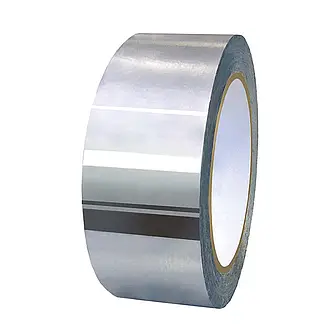
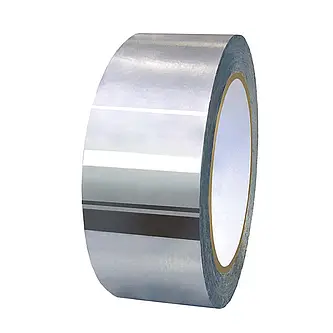
No products match this combination.
No products match all of the selected filter criteria.
03
FIRE PERFORMANCE AND PROCESSING
Assess flame spread and application separately
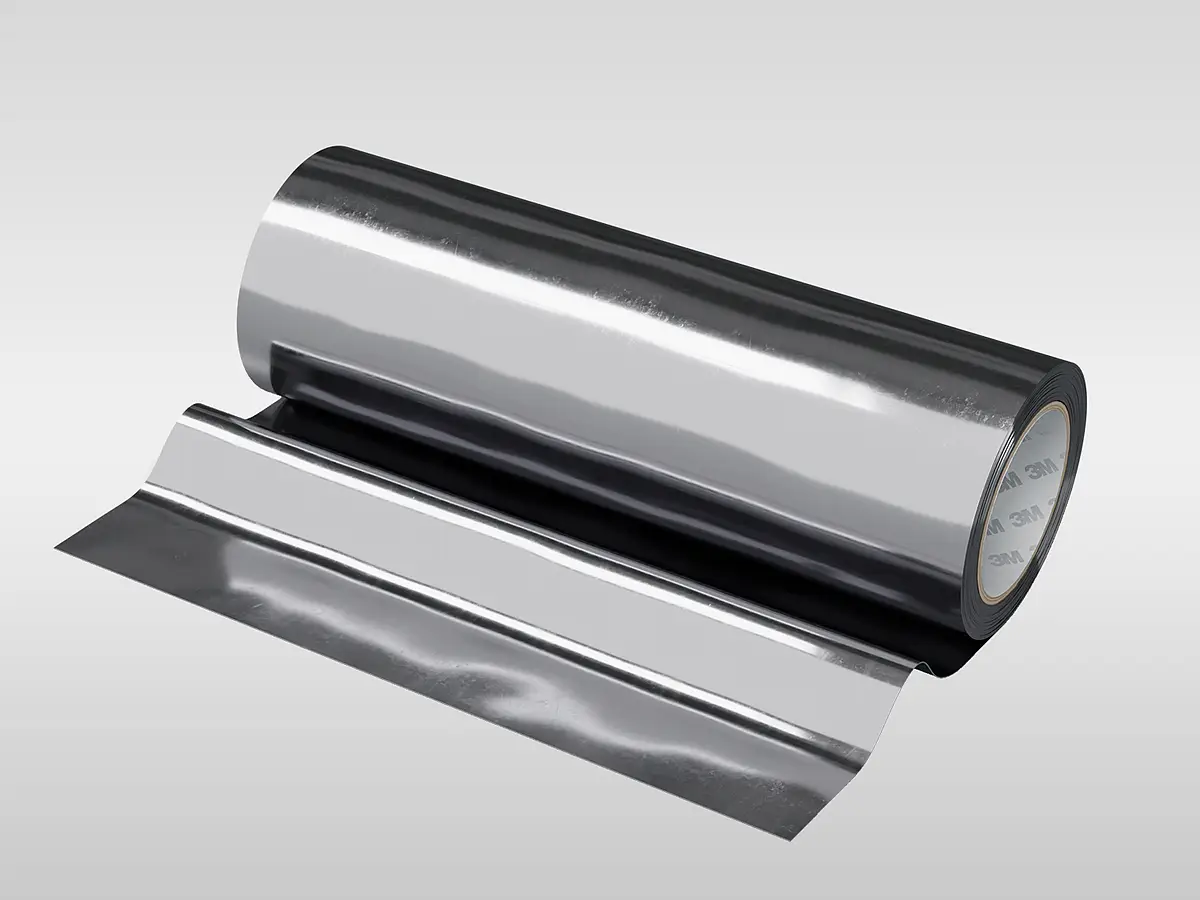
“Fire-resistant” does not specify a material test. First clarify whether your requirement concerns limited flame spread, heat exposure or protection from heat transfer. 3M Scotchlite Reflective Transfer Film 8735 is one specific example: its manufacturer information cites flame-spread requirements under EN 469, with performance dependent on the base fabric. The film is applied using a heat-activated adhesive. This is not a general statement about other films or finished garments.
For converting, we assess the material construction, geometry, substrate and required delivery format. Suitable films can be cut or die-cut; feasibility and whether a tested property continues to apply to the finished part must be clarified for your application. Please tell us the product, test requirement, component and processing step.
04
QUESTIONS ABOUT FIRE PERFORMANCE
What does “fire-resistant” mean for a self-adhesive film?
The term alone does not establish any particular product property. What matters is the requirement of your application and the test evidence for the specific material. A flame-retardant designation must be distinguished from heat resistance and thermal protection. The backing, adhesive layer and substrate may also behave differently. Check the evidence for the intended construction and actual exposure before selecting a film.
Does flame-spread evidence still apply after cutting or die-cutting?
This cannot be guaranteed in general. Manufacturer evidence describes the tested product under specified conditions. In a converted shape, the material combination, geometry, backing and subsequent application may matter. Krückemeyer GmbH can cut or die-cut suitable films; whether the documented property still applies to the finished part must be clarified for each project. Send us the specific product evidence and your required version.
How does flame retardancy differ from heat resistance?
Flame retardancy concerns behaviour under flame exposure or the limited spread of flame. Heat resistance concerns exposure to temperature under stated conditions. One does not establish the other. For 3M Scotchlite Reflective Transfer Film 8735, the manufacturer describes flame-spread requirements under EN 469, dependent on the base fabric. Please specify the test requirement, temperature profile, duration and component construction separately for your application.
What information does the team need to advise on a suitable film?
Useful details include the required function, the specific test standard or product evidence, the backing material and the substrate. Describe the heat exposure, duration and subsequent processing. For possible converting, we also need the required geometry and delivery format. This lets us assess whether an existing material and a cut or die-cut part suit the application. A material name alone is not enough.
05
Request advice
Describe the required fire performance, heat exposure, substrate and delivery format. We will review the specific product evidence and suitable converting with you.
Assess flame-retardant film for your application
Send us your material, evidence and component requirements. Together we can clarify a suitable version and possible cut parts.

TECHNICAL FILM ADVICE
Thomas Klein
Contact for products
Thomas Klein will discuss the film's product evidence, substrate and converting with you.