

PRINTING FILM
Printing film
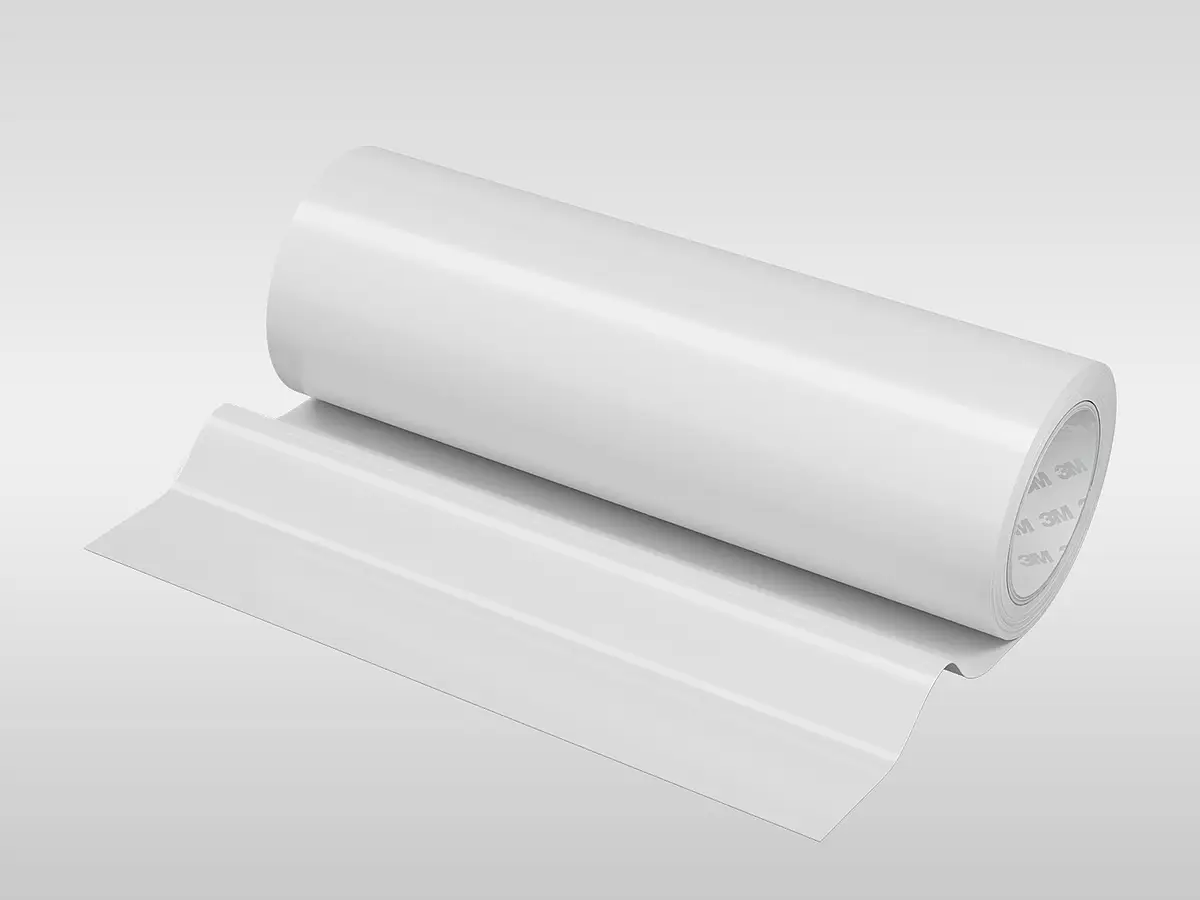
Printing films carry graphics and markings on suitable surfaces. The intended printing process, substrate and shape of the application guide the choice. Krückemeyer GmbH helps you select the material and a suitable converted format.
01
Selection criteria
Which printing film suits your process?
First establish whether the film will be processed by inkjet or screen printing; approved methods vary by product range. Colour and transparency, surface shape, substrate and the subsequent demands on the graphic also matter. Check the specific product information before choosing a printing film and, where appropriate, a protective laminate.
02
Printing films in the range
Select self-adhesive printing films
The product listing shows printing films for graphics and lettering in different versions. The relevant product range's instructions on printing method and application determine the choice.
No products found
No products are currently listed in this category. Request a call back and we will help you find the right product.
Request a callback03
Selecting printing film
Consider printing method, substrate and contours together
A printing film cannot be selected solely by the desired graphic. The product information for 3M Scotchcal IJ3690 specifies solvent, latex and UV inkjet printing; it lists solvent and UV screen printing for Scotchcal 3690. It also assesses flat surfaces, rivets and simple curves separately. These statements apply to the named ranges, not to every product in the category.
State your printing method, surface, contours and required form of supply in your enquiry. We can then assess which material and cut format suit your process.
04
Questions about choosing printing film
Which printing methods can be used with self-adhesive printing film?
That depends on the film range. The product information for 3M Scotchcal IJ3690 specifies solvent, latex and UV inkjet printing. The separately listed Scotchcal 3690 is described for solvent and UV screen printing. When selecting a printing film, match the exact product designation to your printing method. Suitability established for one version cannot be assumed for every other printing film.
How does the substrate affect the choice of printing film?
The substrate affects both selection and application. The product information for 3M Scotchcal printing film 3690 describes its design for moderately rough and low surface energy substrates, including polyolefins. It also gives advice on checking certain paints and polycarbonate before application. Tell us the material and surface condition of your component so the specific combination can be assessed.
Can printing film be applied over rivets or curved surfaces?
The product information for 3M Scotchcal printing film 3690 lists flat surfaces, rivets and simple curves as suitable surface shapes. It explicitly warns that the film may lift around a rivet edge. Whether a particular printing film suits your contours depends on the product range and geometry. Describe any rivets, channels or curves in your enquiry.
In what form can printing film be supplied for further processing?
The form of supply follows from the material, graphic and processing sequence. Krückemeyer GmbH lists cutting, roll dimensions and die-cut shapes among the options for converting suitable materials. For printing film, the chosen base material and planned printing or application process must be assessed before specifying a format. Tell us the required dimensions, shape and type of further processing.
05
Request advice
Describe your printing method, substrate, contours and required form of supply. We will assess with you which printing film and converted format suit your application.
Discuss printing film for your application
Send us your requirements for the graphic, surface and processing. We will advise you on a suitable version.

Printing film advice
Thomas Klein
Contact for products
Discuss the printing method, substrate and required form of supply for your printing film with Thomas Klein.