

OPTICALLY CLEAR ADHESIVE FILMS
OCA Film for display lamination
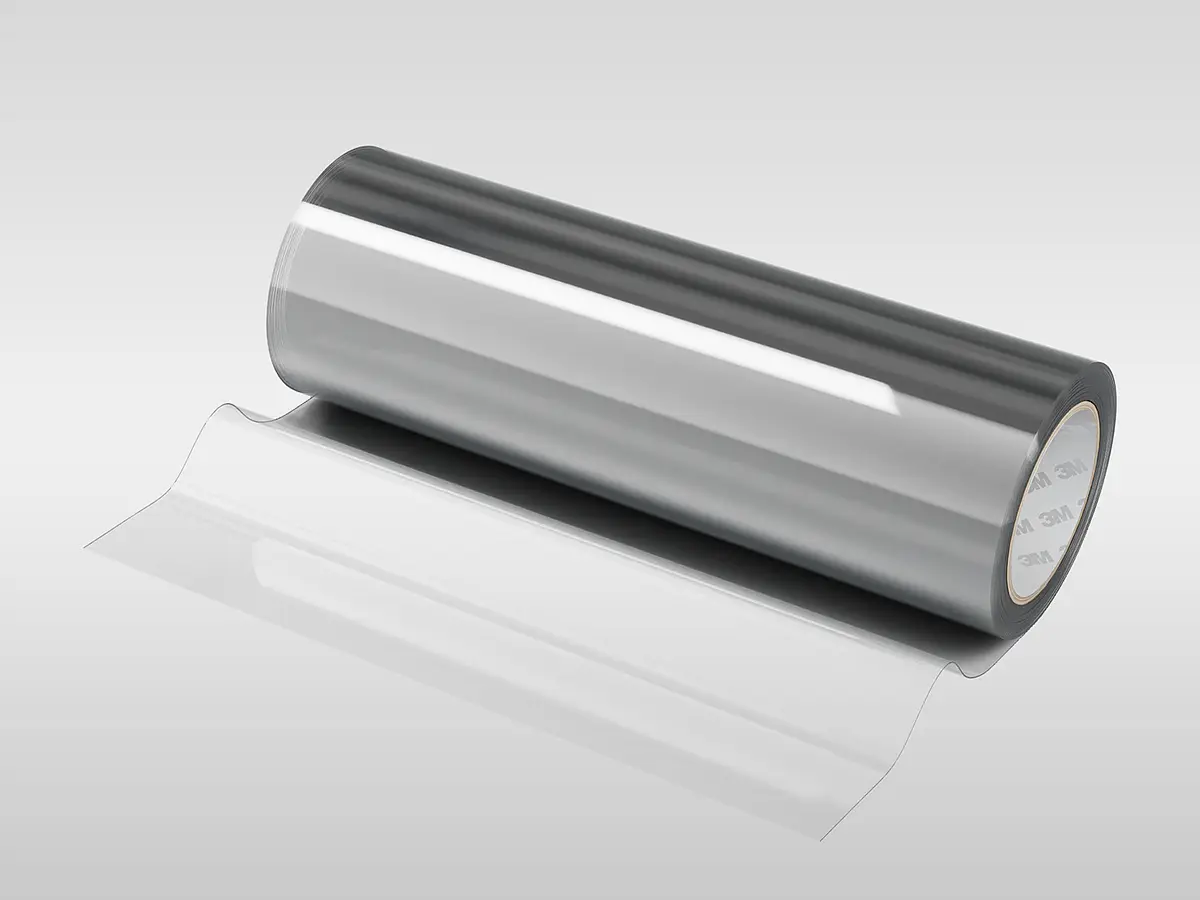
OCA film bonds transparent layers in display and touch applications. The materials being joined, optical requirements and processing method guide the selection; Krückemeyer GmbH assesses the film and a suitable converted format.
01
Selection criteria
Which layers must the OCA film bond?
Identify both components and their surfaces, such as glass, polycarbonate or PMMA. For each product, check optical clarity, adhesive construction, thickness, contact with functional layers and the specified processing conditions. Compatibility with ITO layers is product specific, especially in touch sensors; the term OCA film alone does not establish approval.
02
OCA FILMS IN THE RANGE
Optically clear adhesive films for display assemblies
The product listing shows optically clear adhesive films from 3M and tesa. Compare the product information on substrates, optical function and processing for each item.
No products found
No products are currently listed in this category. Request a call back and we will help you find the right product.
Request a callback03
SELECTION FOR DISPLAY ASSEMBLIES
Choose OCA film by layer structure and process
“OCA film”, “OCA foil”, “OCA adhesive” and “Optically Clear Adhesive Film” are closely related search terms in this page tree for optically clear adhesive layers; their names alone do not establish different material classes. The listed range includes pressure-sensitive adhesive films. A heat-activated film requires a separate assessment of its activation process: tesa HAF is activated by heat and pressure, while tesa 88008 is described as a pressure-sensitive OCA tape.
The actual joint determines the choice. tesa 88008 is described for optical lamination behind covers made of glass, PC or PMMA and is specified as ITO compatible. That property must be verified separately for any other film. Krückemeyer GmbH can die-cut OCA films for display bonding. Include the layer structure, geometry and processing steps in your enquiry so that the material and supplied format can be assessed together.
04
QUESTIONS ABOUT OCA FILM
What does OCA film mean in display bonding?
OCA means “Optically Clear Adhesive”: an optically clear adhesive used to join transparent layers. This page covers adhesive products supplied as films or rolls for display assemblies. The term describes an optical function; it does not establish a uniform carrier, thickness or approval for every touch application. For example, tesa 88008 is a pressure-sensitive acrylic adhesive tape without a carrier. The construction and suitability of other products must be checked individually.
Which details matter when selecting an OCA film?
Identify both components, the optical requirement and the intended lamination process. For tesa 88008, the manufacturer names glass, polycarbonate and PMMA as possible cover materials and specifies product-specific ITO compatibility. That statement cannot be applied to other OCA films. Also provide the contact surfaces, required geometry, layer structure and how the liner will be handled. These details allow the listed material and a converted format to be assessed for the application.
How is OCA film different from heat-activated film?
The distinction depends on the documented activation and processing method of the specific product. Optically clear tesa 88008 is described as a pressure-sensitive adhesive tape. By contrast, tesa HAF is not tacky at room temperature and is activated by heat and pressure; time, temperature and pressure must be matched to the system. A film should therefore not be treated as heat activated merely because it is supplied in film form. Product data and the process at your component determine the selection.
Can Krückemeyer convert OCA film for a display?
Krückemeyer GmbH identifies die-cutting optically clear OCA films for display bonding as a manufacturing capability. For a specific die-cut part, the film, contour, liners and processing steps must work together; converting does not create an additional optical or electrical product property. Describe the layers involved, the required shape and how the part will be applied. Those details allow the suitability of a listed OCA film and the proposed supplied format to be assessed.
05
Request advice
Tell us about the layer structure, surfaces, optical requirements and required shape. We will assess a suitable OCA film and whether a cut or die-cut part fits your process.
Assess OCA film for your display assembly
Send us your requirements for the components, optical function and converting. If you have already selected an item, you can add it to your enquiry list.

ADVICE ON OCA FILM
Thomas Klein
Contact for products
Thomas Klein can discuss the layer structure, product selection and a suitable converted format with you.