
HEAT-ACTIVATED ADHESIVE AND LINER-REMOVAL FILMS
Heat-Activated Films for Bonding and Liner Removal
Heat-activated films in this range serve different purposes: adhesive films bond components after a controlled heat process, while liner-removal films help remove release liners. Start with the intended function, then consider construction, processing and the required supply format.
01
Selection criteria
What job must the heat-activated film perform?
First distinguish bonding two components from removing a release liner. For a bond, consider the substrates, their sensitivity to heat and the combination of temperature, pressure and time. For liner removal, the release film and the production sequence matter. Then assess width, shape and material feed; the exact processing conditions depend on the product selected.
02
HEAT-ACTIVATED FILMS IN THE RANGE
Heat-activated adhesive films and liner-removal films
The product range includes adhesive films for heat-assisted bonds and films for removing release liners. Each product page describes its construction, format and available variants.
No products found
No products are currently listed in this category. Request a call back and we will help you find the right product.
Request a callback03
GUIDE TO CHOOSING HEAT-ACTIVATED FILMS
Choose an adhesive film or liner-removal film
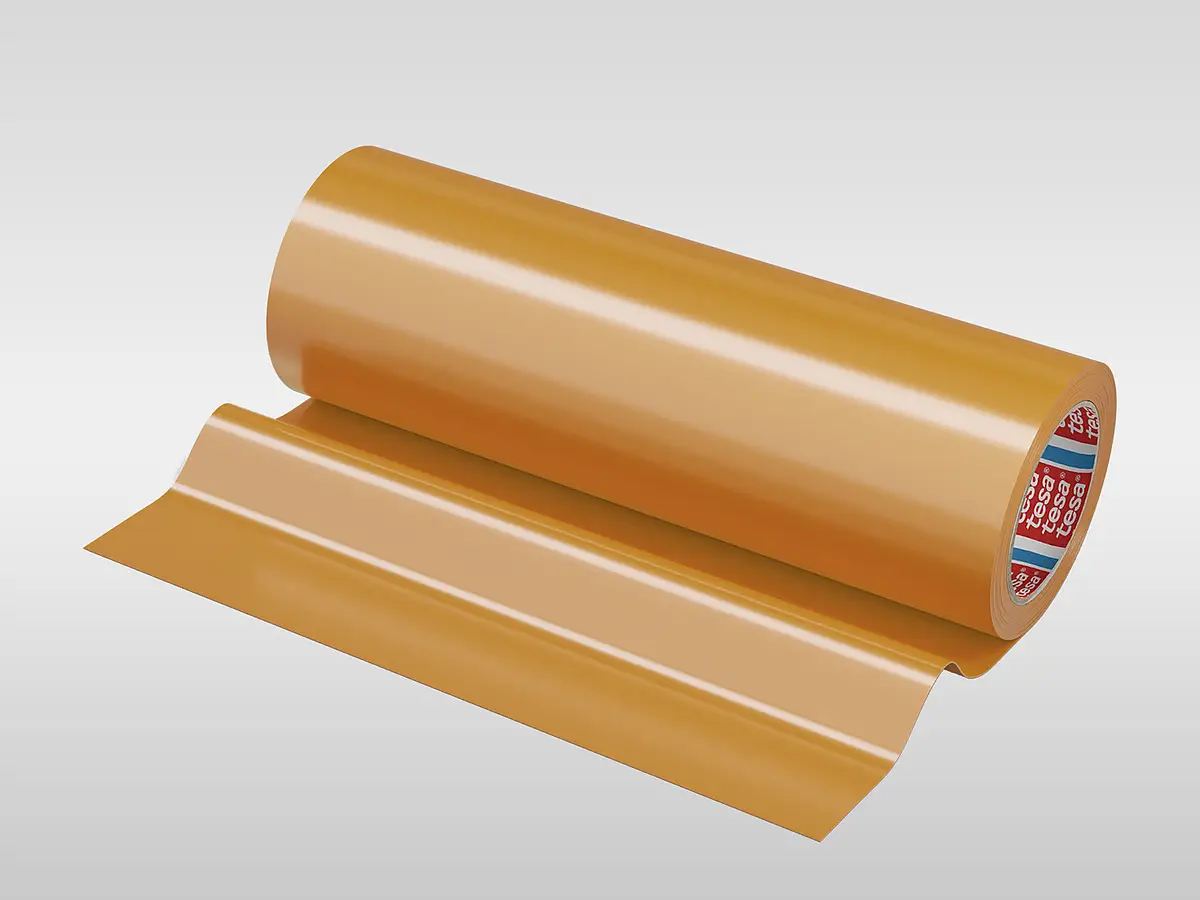
A reactive adhesive film such as tesa HAF is not tacky at room temperature; the bond is formed through heat, pressure and controlled processing time. The 3M Hitzeaktivierbarer Klebstoff-Film 583 is also listed as a heat-activated film for bonding. Pressure-sensitive adhesive systems must be assessed separately: their adhesion and processing requirements depend on the specific product.
3M Hitzeaktivierbare Abziehfolie 5081 has a different purpose: it adheres to polyolefin release liners during heat-assisted liner removal. Before enquiring, decide whether you need to bond components or remove a liner. Krückemeyer GmbH can cut suitable base material and produce die-cut parts; we assess the material, shape and supply format against your process requirements.
04
QUESTIONS ABOUT HEAT-ACTIVATED FILMS
How does a heat-activated adhesive film differ from a pressure-sensitive film?
A heat-activated adhesive film needs a defined heat process to form its intended bond. tesa HAF is not tacky at room temperature and is bonded with a controlled combination of time, temperature and pressure. A pressure-sensitive adhesive system is applied differently; the word “film” alone does not identify the bonding mechanism. Check the data for the specific product and the heat tolerance of both substrates before choosing a format.
Can every heat-activated film be used to bond components?
No. This category includes liner-removal films as well as adhesive films. 3M Hitzeaktivierbare Abziehfolie 5081 is described for removing liners and adhering to polyolefin release films; that does not establish its suitability as an adhesive film between components. Define the intended result first. For a bond, the substrates, adhesive film and available heat process must match; for liner removal, the specific release film is decisive.
What processing details are needed to select a heat-activated adhesive film?
Specify both substrates, their surfaces and the heating, pressure and processing time available in your operation. For reactive tesa HAF, these parameters govern the bond. Conditions in a manufacturer's documentation apply to that system and processing stage; they cannot simply be transferred to another adhesive film. Also describe the loads the finished assembly will face. These details support discussion of a suitable format and a meaningful trial for your application.
How can a heat-activated film be converted?
Converting depends on the material and the intended processing method: Krückemeyer GmbH can cut suitable base materials and produce die-cut parts. The manufacturer's documentation identifies tesa HAF as suitable for die-cutting, and the catalogue lists 3M Hitzeaktivierbarer Klebstoff-Film 583 as processable into die-cut parts. Specify the required width, contour and supply format. Whether the selected film performs as intended after converting must be checked for the product and application.
05
Request advice
Describe the bonding task or liner removal, the materials involved and the temperature, pressure and sequence of your process. Include the required width or shape so we can assess material selection and suitable converting for your enquiry.
Assess a heat-activated film for your process
Tell us about the substrates or release liner, heat process and required supply format. We can then narrow down the relevant product group and converting options.

ADHESIVE TECHNOLOGY AND CONVERTING
Thomas Klein
Contact for products
Thomas Klein can help you assess the material, processing requirements and supply format for your heat-activated film.