
OPTICALLY CLEAR ADHESIVE LAYERS
OCA Adhesive: optically clear adhesive films for displays
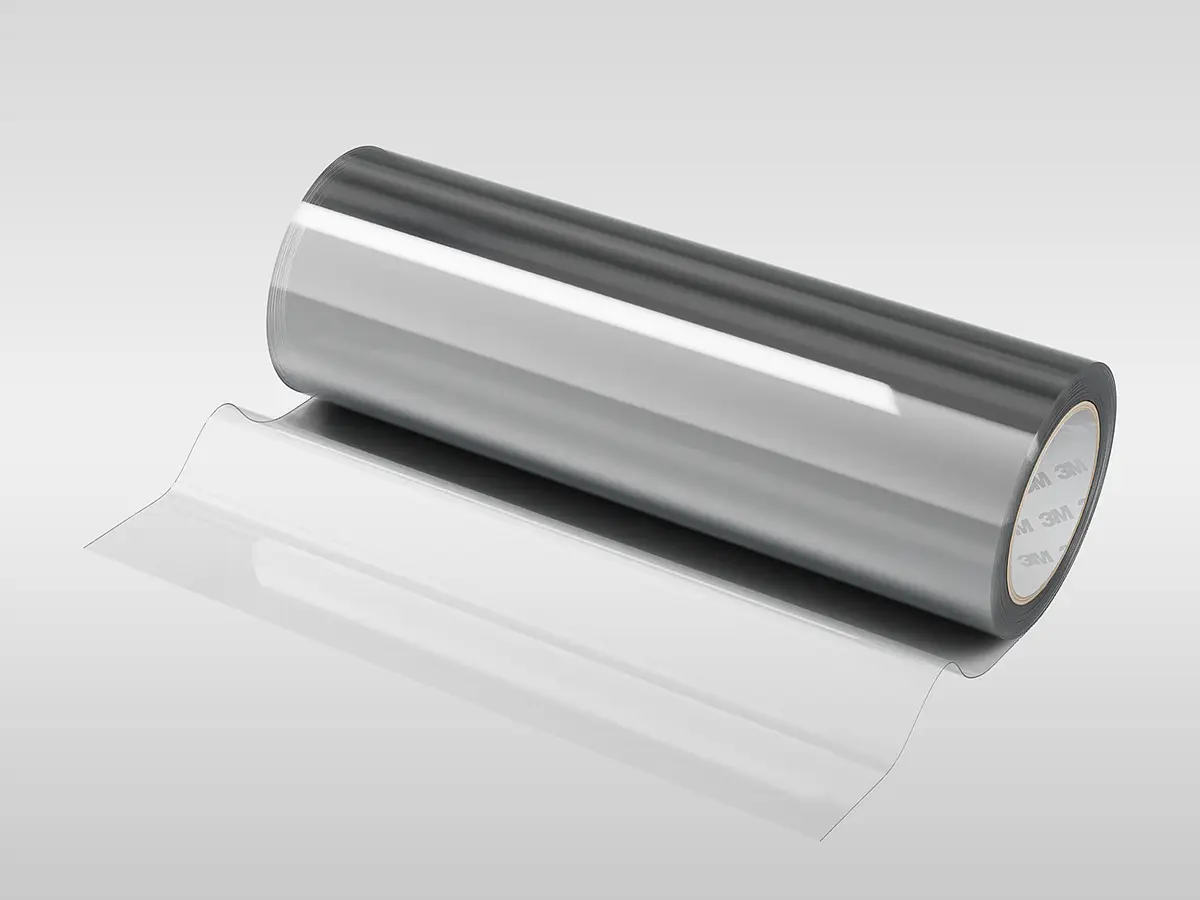
OCA adhesive here means optically clear adhesive layers supplied as films or transfer tapes for display bonding. Choose by substrates, optical requirements, adhesive system and processing in the specific assembly.
01
Selection criteria
Which adhesive layer suits your display assembly?
Before selecting a product, identify both substrates and their surfaces. Then compare adhesive layer thickness, optical properties, conformity to the part's contours and the intended adhesive system. Contact with functional layers and the handling of the liners also matter. Suitability for your lamination process depends on the specific product, not on the term OCA alone.
02
OCA ADHESIVE LAYERS
OCA adhesives and optically clear films in the range
The filterable listing shows the 3M and tesa products assigned to this OCA category. Check the adhesive system, construction and intended substrates for each product.
No products found
No products are currently listed in this category. Request a call back and we will help you find the right product.
Request a callback03
ADHESIVE AND PROCESSING
Select OCA adhesive by layer and process
OCA stands for “Optically Clear Adhesive”. This page focuses on the adhesive layer and its function in optically clear films or transfer tapes. A pressure-sensitive system and a UV-curable product have different processing requirements. Light transmission, ITO compatibility, durability and suitability for curved or textured substrates must also be checked for the specific product; they do not apply automatically to the entire OCA range.
For a converted format, we discuss the starting material, geometry, liners and subsequent lamination. Krückemeyer GmbH can process suitable films as cut pieces or die-cut parts. Describe your layer structure and process steps in the consultation form so that the material and supply format fit together.
04
QUESTIONS ABOUT OCA ADHESIVES
What does “OCA adhesive” mean in this range?
Here, “OCA adhesive” refers to optically clear adhesive layers supplied as films or transfer tapes for optical bonds. OCA means “Optically Clear Adhesive”. The listed products should therefore not generally be treated as liquid adhesives. The specific product construction matters: the manufacturer's information for tesa® 88008, for example, describes a carrier-free acrylic adhesive with liners on both sides. Check the adhesive layer, liner and intended use of each product before selecting it for your display assembly.
Which details determine suitability for display bonding?
The key details are the two substrates, their surfaces, the optical requirement and the intended lamination process. Adhesive layer thickness, part contours and potential contact with functional layers such as ITO also matter. Suitability for glass, polycarbonate or PMMA must be checked for each product; it cannot be inferred from the term OCA alone. The same applies to light transmission, haze and durability. Tell us about your layer structure and service conditions so we can review the relevant product information with you.
Does every OCA adhesive need curing after lamination?
No. The OCA range includes different adhesive systems. The manufacturer's information for tesa® 88008 describes a pressure-sensitive optically clear tape, while the product record for 3M Contrast Enhancement Film CEF2802 describes a UV-curable formulation. This does not establish a single processing method for the whole category. Whether pressure, additional UV curing or a particular processing sequence is required must follow the selected product's documentation and the planned display assembly. Clarify these points before approving your production process.
What information is needed to convert an OCA adhesive?
Describe the starting material, both substrates, the required contour and the supply format. It also matters how the protective liners should be handled during cutting, die cutting and subsequent lamination. Krückemeyer GmbH processes suitable technical films for the application, for example as cut pieces or die-cut parts. Conversion does not replace verification of the optical requirements or the adhesive's suitability in the finished component. Information about geometry, processing and service conditions helps us agree on a technically appropriate format with you.
05
Request advice
Tell us about the substrates, layer structure, optical requirements and planned lamination process. We will discuss product selection and a suitable converted format with you.
Discuss your OCA bond with us
If the adhesive layer, liner or processing route is still open, we can review the requirements with you. You can request specific products through the enquiry list.

OCA ADHESIVE CONSULTATION
Thomas Klein
Contact for products
Thomas Klein will discuss your substrates, optical requirements and conversion options with you.